


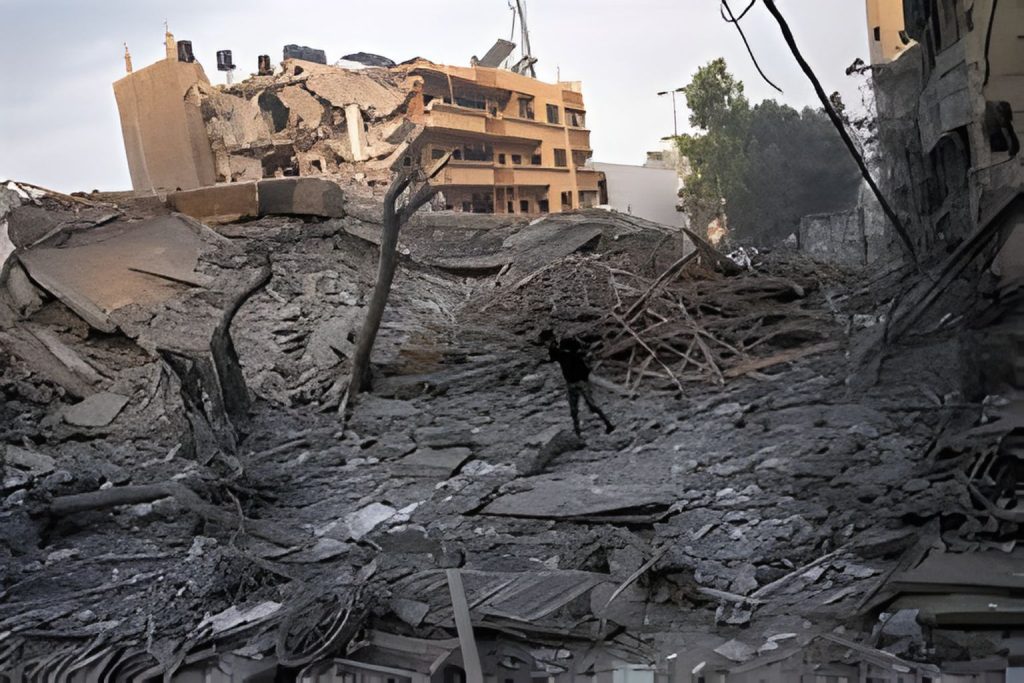
At least 31 people have been reported dead after Israel launched retaliatory airstrikes across southern Lebanon, following a rocket Attack carried out by Hezbollah targeting northern Israeli towns. The latest escalation has sharply increased tensions along the volatile Israel Lebanon border, raising fears of a broader regional conflict.
The Israeli military confirmed that the airstrikes were conducted in response to multiple rockets fired from Lebanese territory earlier in the day.
What Led to the Israeli Airstrikes?
According to official Israeli defense sources, Hezbollah launched several rockets toward northern Israel, triggering air raid sirens in border communities. Residents were instructed to seek immediate shelter as interception systems were activated.
Shortly after the rocket fire, the Israeli Air Force carried out what it described as precision strikes on Hezbollah positions inside southern Lebanon.
Israeli officials stated the targets included:
- Rocket launch sites
- Weapons storage facilities
- Command and control centers
The Israeli military described the operation as a “necessary defensive response” aimed at neutralizing immediate security threats.
Hezbollah later acknowledged launching rockets, describing the action as retaliation for recent regional developments.
Casualties and Destruction in Lebanon
Lebanese health authorities confirmed that 31 individuals were killed, while dozens more sustained injuries in the airstrikes. Emergency rescue teams were deployed overnight as several buildings reportedly suffered heavy structural damage.
Local reports indicated:
- Residential neighborhoods impacted
- Thick smoke rising from multiple strike zones
- Rescue operations underway to locate survivors
Hospitals in southern Lebanon have been placed on high alert as authorities assess the scale of damage and humanitarian needs.
The Lebanese government condemned the strikes, calling them a violation of national sovereignty.
Rising Tensions in the Middle East
The Israel-Hezbollah confrontation marks one of the most serious escalations in recent months. Cross-border exchanges between the two sides have increased amid broader instability in the region.
Security analysts warn that continued retaliatory strikes could:
- Escalate into a prolonged military confrontation
- Draw in regional powers
- Further destabilize Lebanon’s fragile economic situation
The border region remains tense, with military forces on both sides maintaining heightened alert levels.
Impact on Civilians
In Northern Israel:
- Air raid sirens activated across several towns
- Schools temporarily closed in sensitive areas
- Residents advised to remain near shelters
In Southern Lebanon:
- Families reportedly fleeing affected zones
- Infrastructure damage reported in multiple locations
- Rescue teams conducting search operations
The humanitarian situation remains fluid as authorities continue to evaluate the full impact.
International Response
Global leaders have expressed concern over the escalation and called for immediate restraint.
- The United States reiterated support for Israel’s right to self-defense while urging the protection of civilians.
- Regional leaders emphasized the need for de-escalation.
- The United Nations called for calm and diplomatic engagement to prevent further violence.
Diplomatic efforts are reportedly underway to prevent a broader conflict.
What Happens Next?
Military experts suggest that the coming days will be critical in determining whether the situation stabilizes or escalates further.
Possible developments include:
- Limited exchange of fire
- Expanded military operations
- International mediation efforts
With tensions running high, the international community is closely monitoring the situation along the Israel-Lebanon border.
Conclusion
The deaths of 31 people in Israeli retaliatory airstrikes following a Hezbollah rocket attack highlight the fragile and volatile security environment in the region. As both sides remain on high alert, fears of a wider Middle East conflict continue to grow.
Further updates are expected as the situation develops.