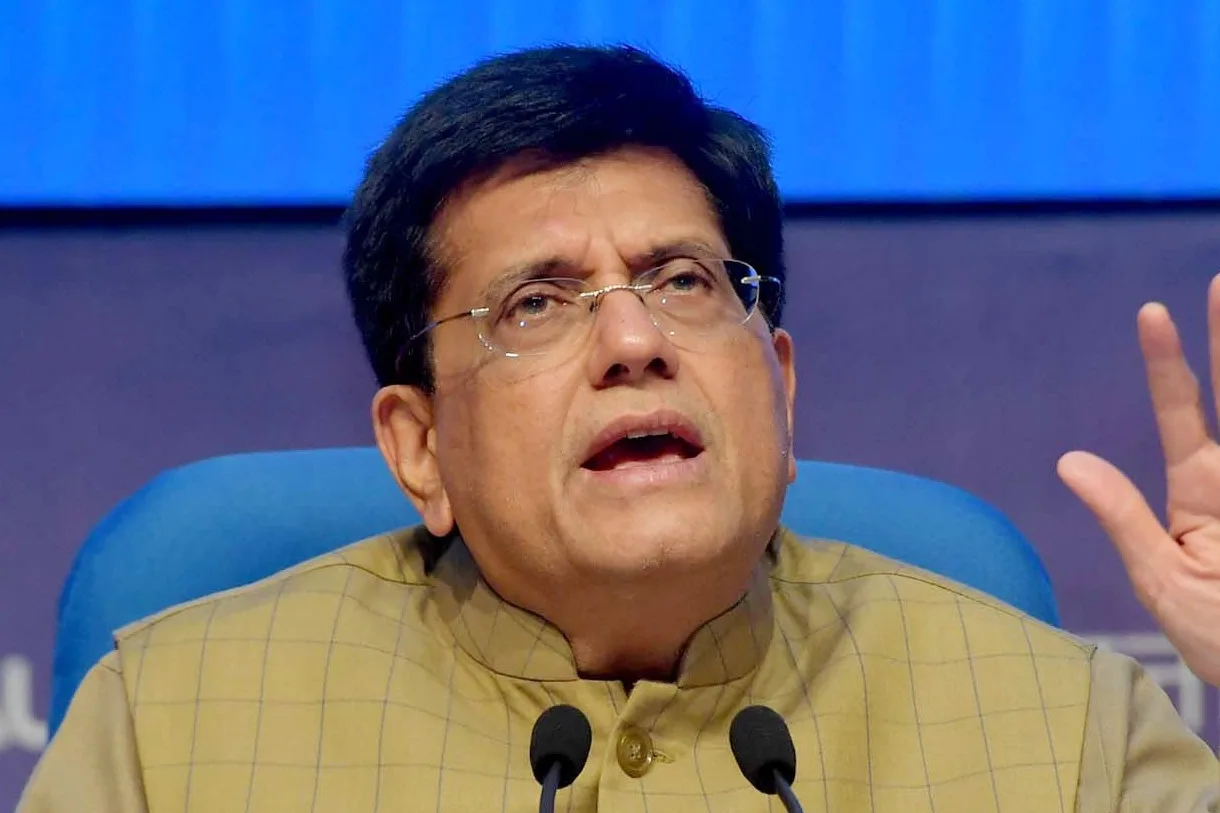
NEW DELHI: Foreign direct investment into India climbed to a record $94.53 billion in 2025-26, Commerce and Industry Minister Piyush Goyal said, the highest annual inflow the country has received and a sharp rise from $81 billion the year before.
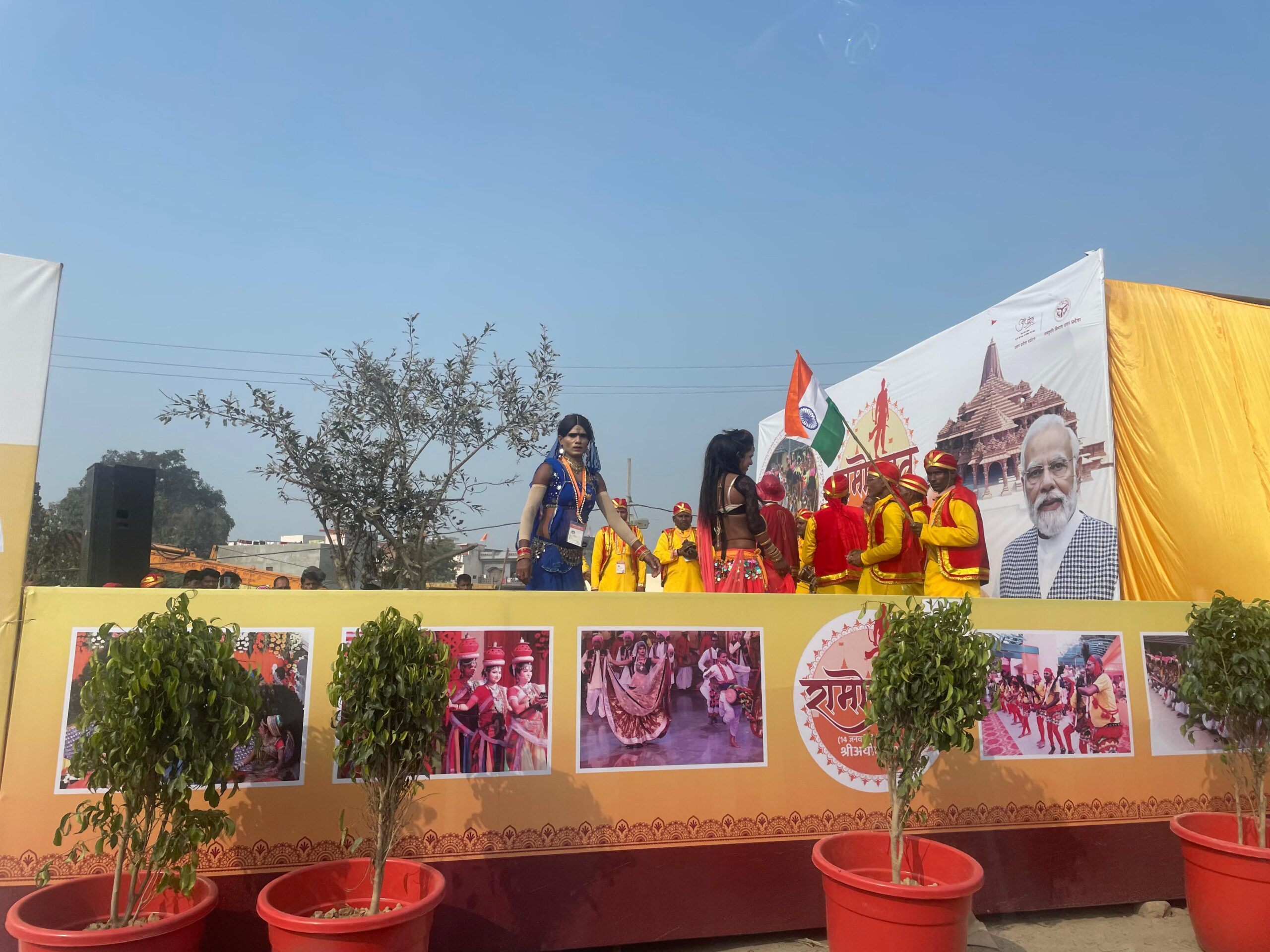
Goyal released the figures on Friday, September 25, the 12th anniversary of the Make in India campaign launched in 2014 to turn the country into a manufacturing base for the world. Cumulative FDI from 2014-15 to 2025-26 has now reached $843 billion, he said.
The increase of about 17 per cent in a single year came in a period when global investment flows have been unsettled by conflict in West Asia and high energy prices.
The jump from $81 billion to $94.53 billion amounts to roughly $13.5 billion of additional inflows in a single year. On its own, 2025-26 accounts for a little over a tenth of all FDI received in the 12 years since Make in India began, a sign that the pace of inflows has picked up in the campaign’s later years rather than tapering off.
Much of the government's manufacturing push runs through the Production Linked Incentive schemes, which pay companies a share of their additional sales for making goods in India. By March 31, 2026, the schemes had attracted actual investment of ₹2.40 lakh crore, Goyal said.
Production and sales under the schemes reached ₹23.8 lakh crore, of which exports accounted for ₹15.2 lakh crore, and more than 14.6 lakh direct and indirect jobs had been created. The sectors that have benefited include electronics, telecom, pharmaceuticals, medical devices, automobiles and auto components, IT hardware and specialty steel.
Electronics has been the most visible success, as global phone makers have shifted large parts of their assembly to India, but the scheme list shows the effort now reaches well beyond handsets into components, medical equipment and steel.
The government credits a set of reforms and programmes for the investment. Among them are the National Single Window System for approvals, the PM GatiShakti plan for coordinating infrastructure, the India Industrial Land Bank, and the National Industrial Corridor Development Programme, under which greenfield industrial smart cities are being built. Goyal also pointed to the Open Network for Digital Commerce, which has handled more than 470 crore orders.
The record for direct investment stands in sharp contrast with what is happening in the stock market. Foreign portfolio investors, who buy listed shares and bonds and can sell them quickly, have been heavy sellers this year. They sold about $24.6 billion of Indian equities through August and withdrew ₹13,138 crore more in the first half of September, as high oil prices and rising US bond yields made them more cautious.
The two flows behave very differently. FDI goes into factories, offices and long-term stakes in businesses, and is hard to reverse. Portfolio money responds to interest rates, currency movements and valuations, and can leave within days. A record year for direct investment, alongside heavy portfolio selling, suggests that multinational companies still regard India as a long-term production base even while market investors reduce their exposure.
Officials have not yet released the detailed break-up of the year's inflows by sector and source country, which will show where the record money actually went and how much of it is fresh equity rather than reinvested earnings.
The larger test for Make in India's second decade is whether manufacturing investment spreads beyond the large companies in incentive-backed sectors to small and medium-sized manufacturers, and whether export growth keeps pace with the rise in production. Manufacturing's share of the economy, the campaign's original yardstick, will be the measure most closely watched.