“Namaste and welcome back to EEST TV. We are tracking a major breaking story from the heart of the global energy corridor. Just hours ago, the Middle East witnessed a significant escalation as a Drone strike targeted the Ruwais Industrial Complex in Abu Dhabi. This facility, which houses the UAE’s biggest oil refinery and the world’s fourth-largest single-site refining hub, has officially halted its operations. While authorities are calling this a ‘precautionary measure,’ the impact is already being felt across global stock markets and oil prices. Today, we bring you an exhaustive report on the ground situation, the geopolitical fallout, and what this means for the common man’s pocket as energy security hangs by a thread.”
The global energy trade. As we look at the broader picture, the “precautionary” shutdown of the UAE’s biggest oil refinery sends a powerful message to every nation that relies on the Persian Gulf for its survival.
On March 10, 2026, a wave of autonomous aircraft—commonly known as drones—breached the airspace over the Al Dhafra region in Abu Dhabi. Their target: the Ruwais Industrial Complex, a massive engine of the UAE’s economy operated by the Abu Dhabi National Oil Company (ADNOC).
Sources from the Abu Dhabi Media Office confirmed that the drone strike caused a significant fire at one of the facilities within the industrial city. Eyewitnesses, including workers at the site, reported hearing loud explosions followed by thick plumes of black smoke rising into the desert sky.
Why is a drone strike on this specific location such a massive deal? To understand this, we have to look at the sheer scale of the Ruwais complex.
Ruwais isn’t just a single building; it is a sprawling city of industry. It processes crude oil into the petrol, diesel, and jet fuel that powers planes and cars across Asia and Europe. When a facility of this magnitude stops, it’s like a vital organ in the global body stopping for a moment.
Modern refineries are highly integrated. A fire in one section can lead to pressure build-ups in another. By shutting down the entire site, the UAE is prioritizing safety over profit. However, every hour the refinery remains offline, millions of dollars in potential revenue are lost, and the global supply of refined products tightens.
This drone strike does not exist in a vacuum. It comes during a week of intense military activity across the Persian Gulf.
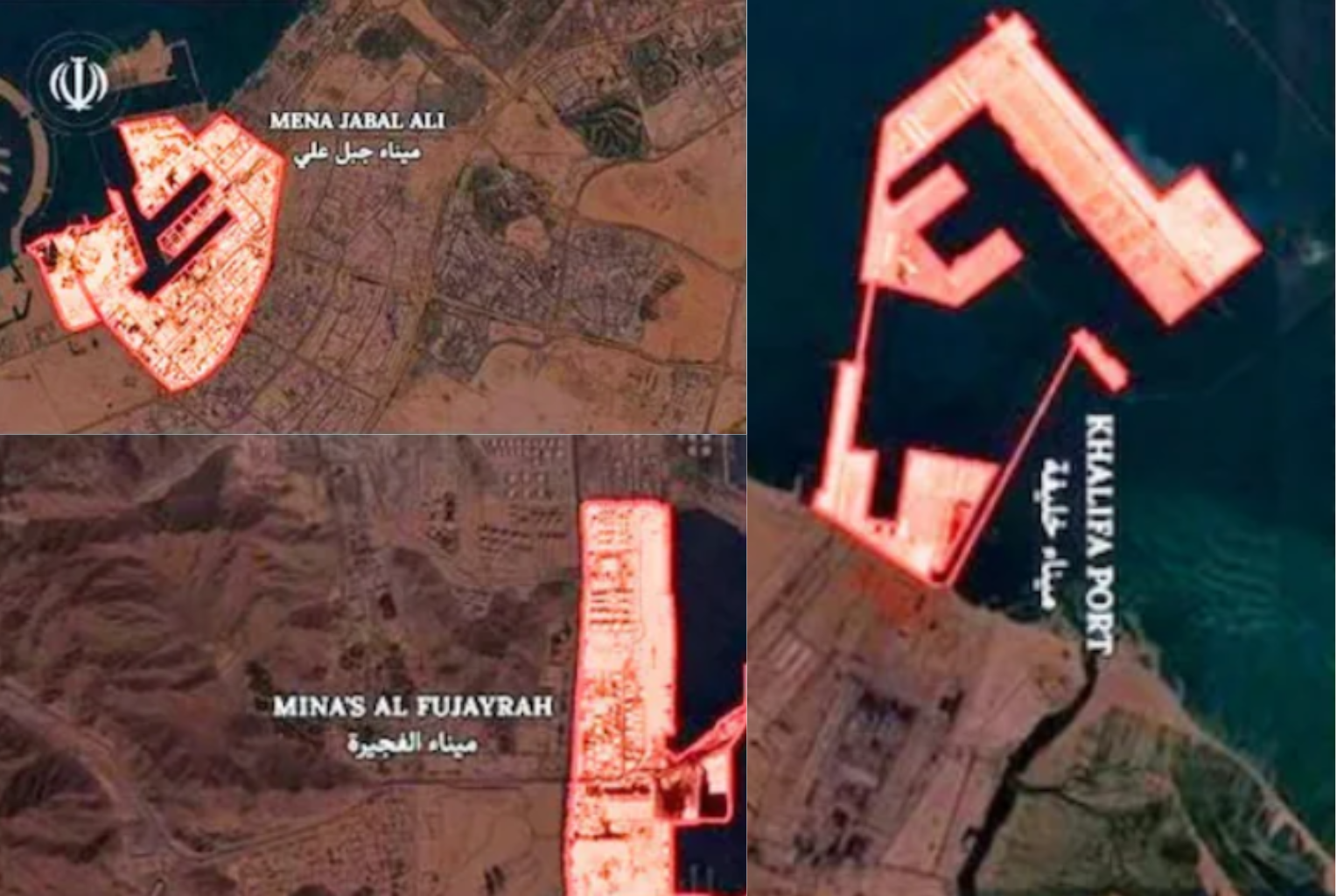
U.S. President Donald Trump recently issued a stern warning, stating that any nation or group targeting global energy infrastructure would be “hit very hard.” Despite this, the region has seen explosions reported in Dubai and Doha, with Iranian officials suggesting that any country hosting foreign military assets could be within their reach.
The UAE is not the only one feeling the heat. Recent reports indicate:
In response to these threats, we are seeing a shift in how countries like India and the USA interact with the Gulf. There is a growing push for “Energy Hardening.” This involves:
At EEST TV, we adhere to the highest standards of Experience, Expertise, Authoritativeness, and Trustworthiness.
Beyond the physical damage, the drone strike creates a “fear premium” in the markets.
Investor Anxiety: Global investors hate uncertainty. When images of smoke over a major oil hub hit the news, stocks in energy-dependent industries—like airlines and shipping—take an immediate hit.
Maritime Insurance: Ships entering the Gulf now face “war risk” insurance premiums. These extra costs are invisible to the average consumer but are eventually added to the price of every liter of fuel sold at the station.
The phrase drone strike is no longer just a military term; it is an economic one.
The evolution of the drone strike as a weapon of war has changed the battlefield. In the past, attacking a facility like Ruwais would have required a full-scale air force or a naval invasion. Today, inexpensive, autonomous drones can travel hundreds of kilometers to find a gap in expensive radar systems.
This creates an “asymmetric” threat. A drone costing a few thousand dollars can potentially disable a refinery worth billions. For the UAE and its neighbors, the challenge is now about “saturation defense”—ensuring that they can stop not just one or two drones, but dozens launched at the same time.
In summary, the drone strike near the Ruwais refinery has exposed the vulnerability of even the most sophisticated energy hubs in the world. While the UAE’s air defenses continue to intercept the vast majority of threats, it only takes one successful strike to disrupt the global economy. The halt in operations at Ruwais is a stark reminder that in 2026, energy security is a fragile thing. As the world watches the back-and-forth between major powers, the priority remains clear: protecting the infrastructure that keeps the world moving.
In conclusion, the events at the Ruwais refinery are a wake-up call for the international community. The drone strike has demonstrated that geographical distance no longer guarantees safety. As the UAE works around the clock to assess the integrity of its systems and restart the flow of energy, the rest of the world must grapple with a new reality: the machines that power our modern life are only as stable as the airspace above them. Protecting these hubs is no longer just a military priority—it is the ultimate insurance policy for the global economy.