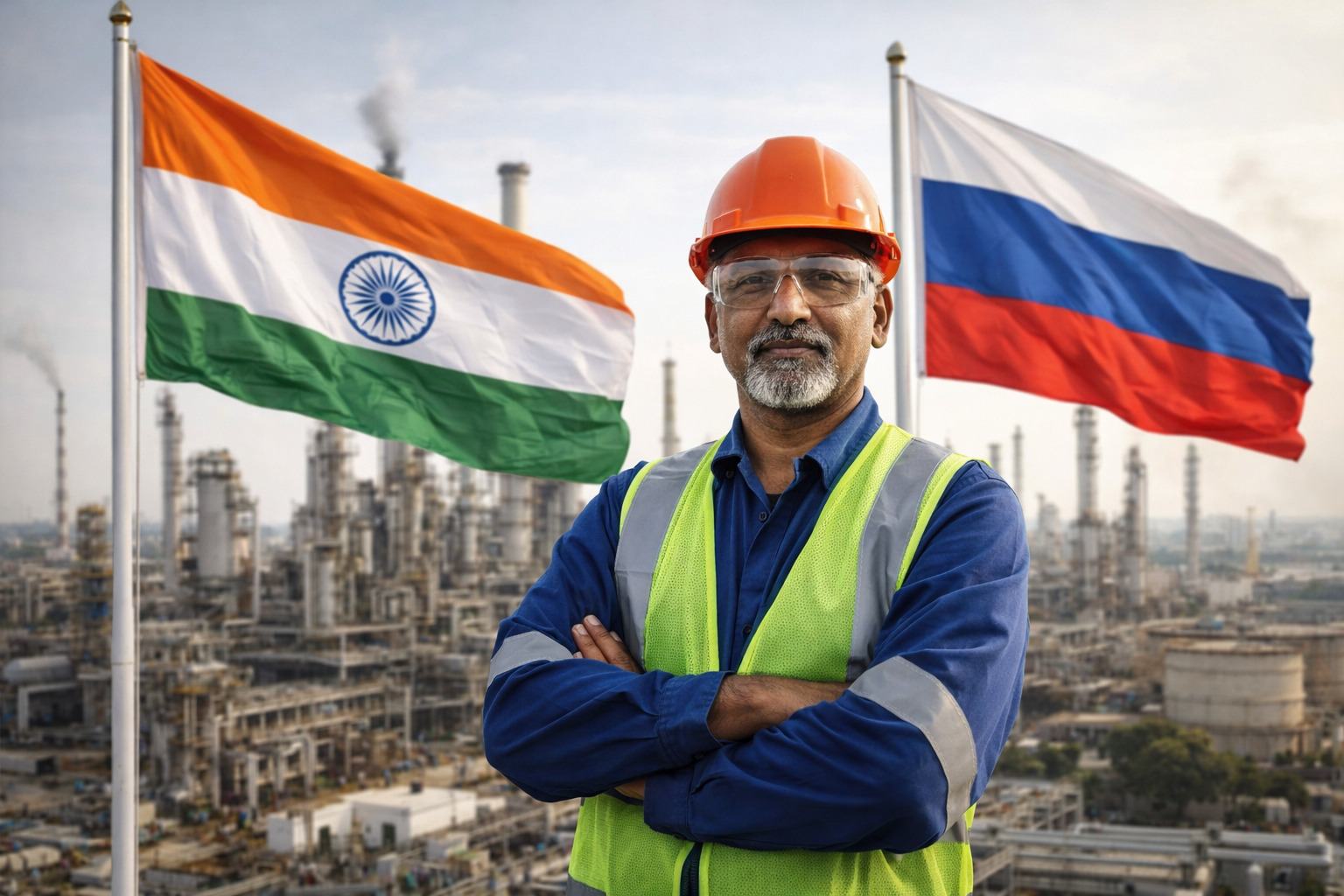
In a rapidly shifting global landscape, the energy trade between nations has become more than just a business transaction; it is a profound statement of national priority. For a developing powerhouse like India, securing affordable energy is the backbone of economic stability and industrial growth.
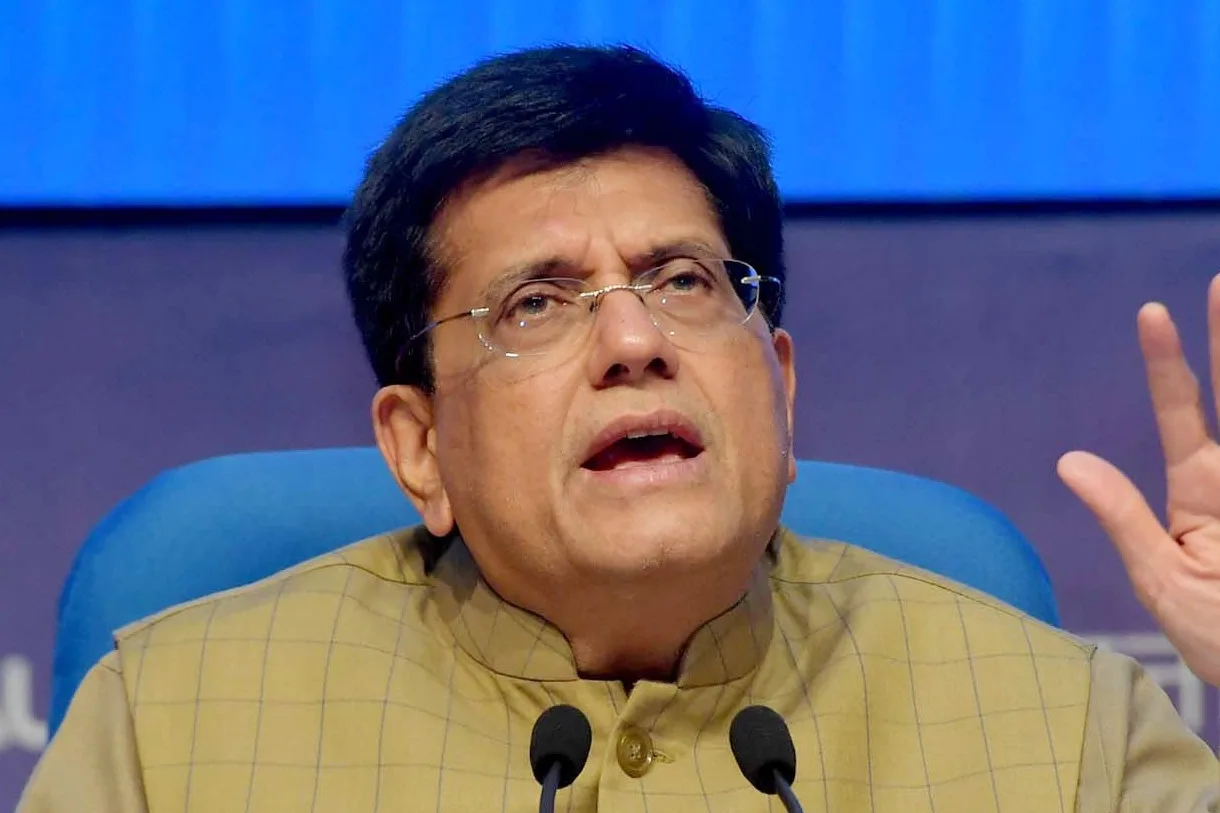
Recently, Indian officials have made it clear that the nation does not require external permission to manage its energy imports, specifically regarding the ongoing trade with Russia. This report for EEST TV examines the intricacies of the India Russia Oil Deal, exploring the economic logic, the diplomatic hurdles, and the unwavering commitment to domestic welfare that drives this strategic partnership.
The relationship between New Delhi and Moscow regarding fossil fuels has evolved from a standard trade partnership into a critical pillar of India’s energy security strategy. As global markets faced unprecedented volatility, India recognized an opportunity to stabilize its internal economy by tapping into discounted energy sources.
This move was not merely about finding a cheaper alternative but about ensuring that a nation of over a billion people could continue to function without the crushing weight of hyper-inflation.
Strategic autonomy is a term often used in high-level diplomatic circles, but in the context of oil, it translates to “National Interest First.” Indian leadership has consistently argued that their primary responsibility is to the Indian taxpayer and the common citizen. By refusing to bow to external pressures regarding who they can or cannot trade with, India has asserted its position as a sovereign decision-maker on the world stage.
The international community, particularly Western nations, has closely monitored India’s increasing intake of Russian crude. While some have called for a unified front in terms of trade restrictions, India has pointed out the inherent contradictions in these requests. Many developed nations continued their own energy imports for a significant period while asking developing nations to sacrifice their economic health. This disparity has led to a firm Indian stance: energy security is non-negotiable.
The primary driver behind the India Russia Oil Deal is undeniably economic. When global Brent crude prices reached heights that threatened the fiscal deficit of many importing nations, the availability of discounted Russian grades provided a necessary safety net.
For the average person, the “India Russia Oil Deal” is not about geopolitics; it is about the price of fuel at the local petrol station. By sourcing a significant portion of its needs at lower rates, the Indian government and oil marketing companies have been able to prevent the kind of massive price hikes seen in neighboring countries. This stability ripples through the entire economy—lowering the cost of transporting food, goods, and essential services.
As a massive importer of energy, India’s economy is sensitive to the outflow of foreign currency. Buying oil at a competitive rate helps manage the national trade balance. It allows the government to redirect funds that would have been spent on expensive energy toward infrastructure, healthcare, and education.
India is not just a consumer; it is a global hub for petroleum refining. This technical expertise plays a massive role in why the deal with Russia is so effective.
Indian refineries are among the most sophisticated in the world. They have the capability to process “heavy” or “sour” crude oil—the types of oil that are often harder to refine—and turn them into high-quality Euro-VI compliant fuels. This means that even if the raw material comes from different geographical regions like Russia, the final product used in Indian vehicles is of the highest standard.
An interesting byproduct of the India Russia Oil Deal is India’s role as a refined fuel provider to the world. After refining the crude, India often exports the finished products to various international markets. This keeps the global supply chain moving and ensures that there is enough fuel in the market to prevent a total global energy collapse.
The External Affairs Ministry has been vocal about India’s right to choose its partners. The “India Way” in diplomacy involves maintaining good relations with the West while standing firm on bilateral ties with traditional partners like Russia.
India has challenged the narrative that energy purchases fund conflicts. Instead, Indian representatives have argued that if the world’s third-largest consumer stopped buying from Russia, the sudden demand shift to other markets would drive global prices to a level that would bankrupt many smaller, vulnerable nations. In this sense, India’s purchase is seen by some experts as a stabilizing force for the global energy market.
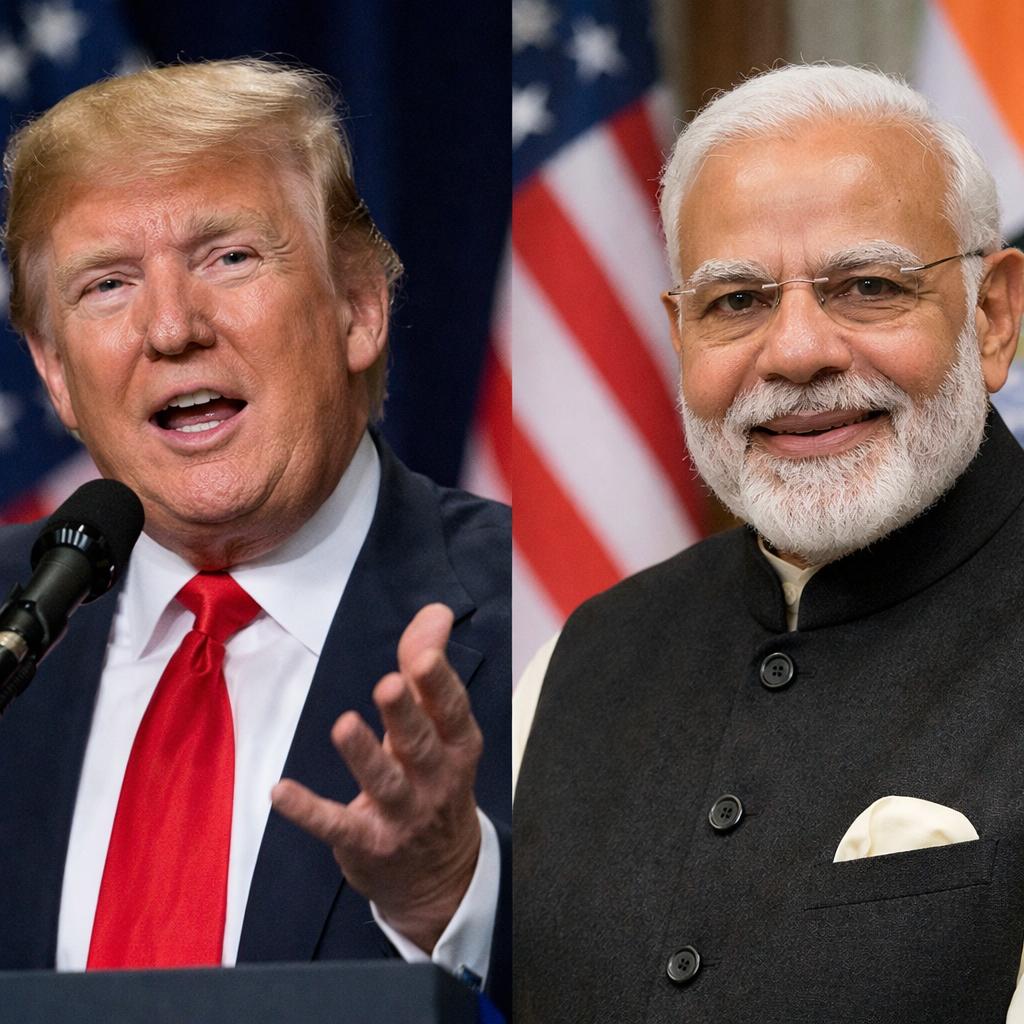
This deal signifies a shift toward a multipolar world where nations are no longer forced to choose “sides” in a traditional Cold War sense. India’s ability to trade with both the United States and Russia simultaneously is a testament to its growing influence and the importance of its massive consumer market.
When discussing such a complex topic, it is vital to look at the Experience, Expertise, Authoritativeness, and Trustworthiness of the sources involved.
The India Russia Oil Deal is likely just the beginning of a broader energy transition. While crude oil is the focus today, the infrastructure being built—such as new payment systems and maritime corridors—could pave the way for long-term cooperation in natural gas and renewable energy technologies.
While Russia has become a top supplier, India continues to buy oil from the Middle East, Africa, and North America. This diversification ensures that India is never dependent on a single source, protecting the nation from any localized political or environmental disruptions in a specific region.
To summarize, the India Russia Oil Deal is a multifaceted strategy aimed at protecting the Indian economy from global shocks. By prioritizing the needs of its 1.4 billion citizens, India has demonstrated that it is a confident, sovereign power capable of making independent decisions.
The deal has helped stabilize domestic fuel prices, supported the massive refining industry, and allowed India to maintain its rapid economic growth. It is a clear message to the world: India’s energy security is the foundation of its future, and it will take every necessary step to ensure that foundation remains strong.