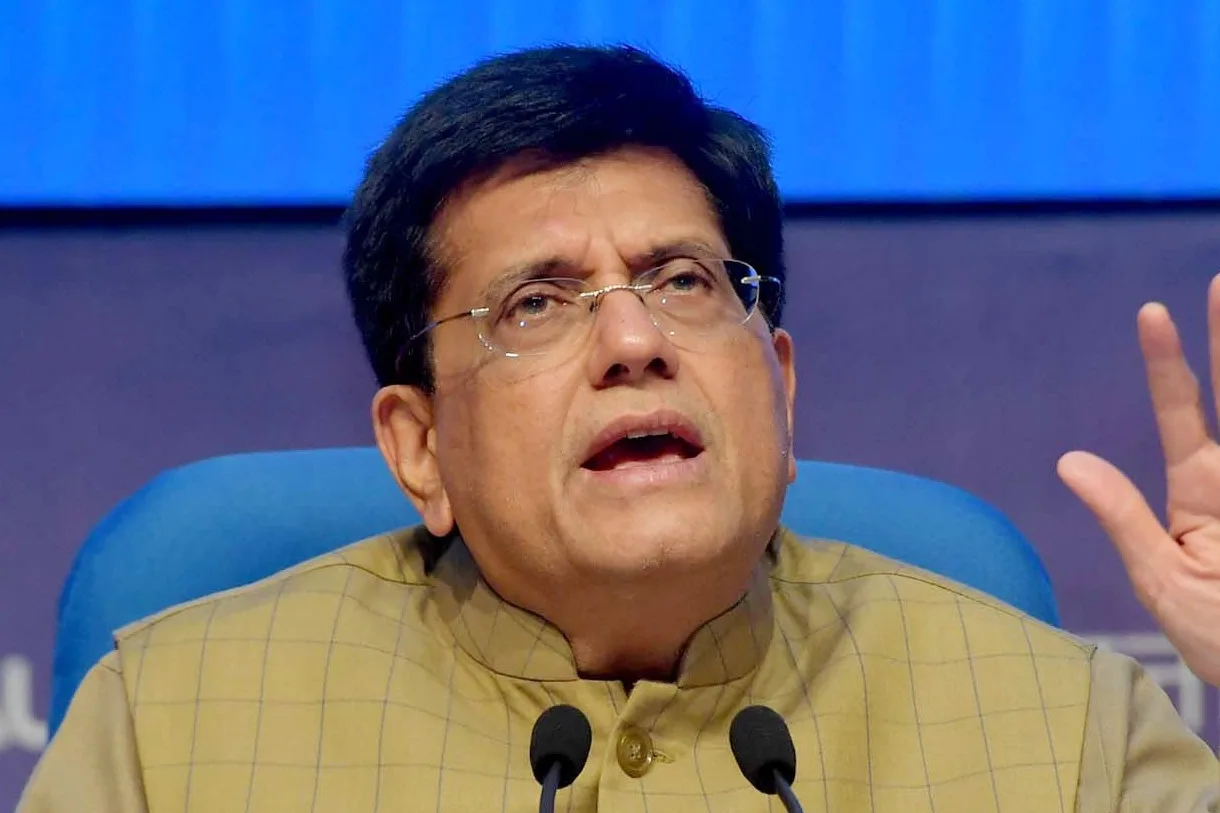
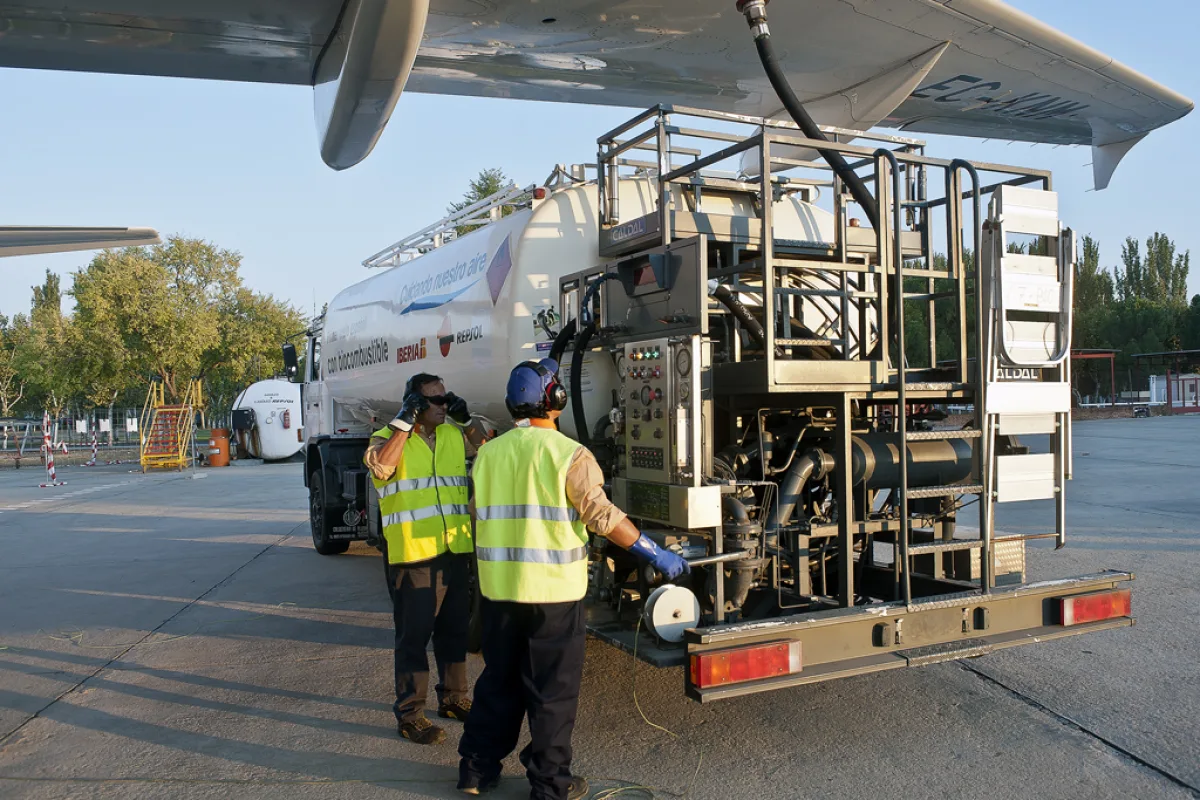
NEW DELHI: The government is in talks with airlines and oil marketing companies about the price of aviation turbine fuel, Civil Aviation Minister Ram Mohan Naidu said on October 6, after jet fuel prices rose for a third month in a row.
Speaking to reporters in New Delhi, Naidu said the West Asia crisis was one of the major concerns, as it had put a significant burden on the sector by pushing up ATF prices, All India Radio reported. The government is in discussions with airlines and oil companies "to assess the situation", he said, and the ministry will hold a meeting with all stakeholders before taking a decision.
On October 1, domestic ATF prices were raised by 13.22 per cent, or about ₹16 a litre, from ₹121.28 to ₹137 a litre, the Free Press Journal reported. It was the third consecutive monthly increase.
On September 1, the price had gone up by ₹6.28 a litre, or 5.46 per cent, to ₹121.28 a litre, after a ₹5 a litre rise on August 1, according to a PTI report. Over three months, that adds up to an increase of about ₹27 a litre. State-run oil companies revise ATF and LPG prices on the first of every month, based on international benchmark prices and the exchange rate, and the final price varies from state to state with local taxes such as VAT.
Fuel is one of an airline's largest costs. "The two increases will add to the financial burden of airlines, for whom ATF makes up to 40 per cent of operating costs," PTI reported in September.
The government has also been managing fuel supplies through an export levy. The Centre introduced levies on exports of diesel and ATF on March 27, 2026, amid the West Asia crisis, to discourage exports and keep fuel available at home, and has revised the rates every fortnight since, the Free Press Journal reported.
For the fortnight beginning October 1, the levy on ATF exports was cut to ₹10.5 a litre from ₹15, and the levy on diesel exports to ₹16 a litre from ₹20. The lower export levy does not reduce the price that domestic airlines pay. The government notification said there was no change in the excise duty on petrol and diesel sold in India.
Jet fuel was far more expensive earlier in the year. On April 1, at the height of the West Asia conflict, the price of ATF in Delhi more than doubled, rising 114.5 per cent to ₹2,07,341.22 per kilolitre, the first time it had crossed ₹2 lakh per kilolitre, Outlook Business reported at the time. Global oil prices had risen by about 50 per cent, and airlines were already flying longer routes because of airspace closures. Outlook Business reported then that a mechanism was being worked out so that domestic airlines would not bear the full increase.
The jet fuel increases are part of a wider rise in energy costs since the conflict in West Asia began in late February. Commercial LPG, used by hotels and restaurants, rose by ₹1,373 per 19-kg cylinder between February and June, from ₹1,740.50 to a record ₹3,113.50, before two cuts in July and August, PTI reported. Commercial LPG was raised again on September 1, by ₹9.50 to ₹2,747.50 per cylinder. Petrol and diesel prices were each raised by about ₹7.50 a litre in May, and the price of household cooking gas was raised by ₹60 in March and by ₹29 in June, to ₹942 per 14.2-kg cylinder.
Naidu did not say what options the government is considering or when the stakeholder meeting will be held.