DUBAI: The co-pilot who attacked the Indian captain of flydubai flight FZ1073 and tried to bring the aircraft down planned and attempted a terrorist attack, UAE investigators have said. Six days after the September 30 flight from Dubai to Tel Aviv, United States President Donald Trump said he believed Iran was behind it, though he has offered no evidence.
Trump made his latest remarks in answer to reporters' questions at the White House, All India Radio reported on October 6. On October 2, he had said the answer, "based on what I'm hearing, is yes, but we're working on it right now", and warned that if Iran was involved, "they'll be hit very hard", according to Morung Express. The paper noted that no evidence publicly establishing Iranian involvement had emerged. No response from Iran was reported in the coverage reviewed for this story.
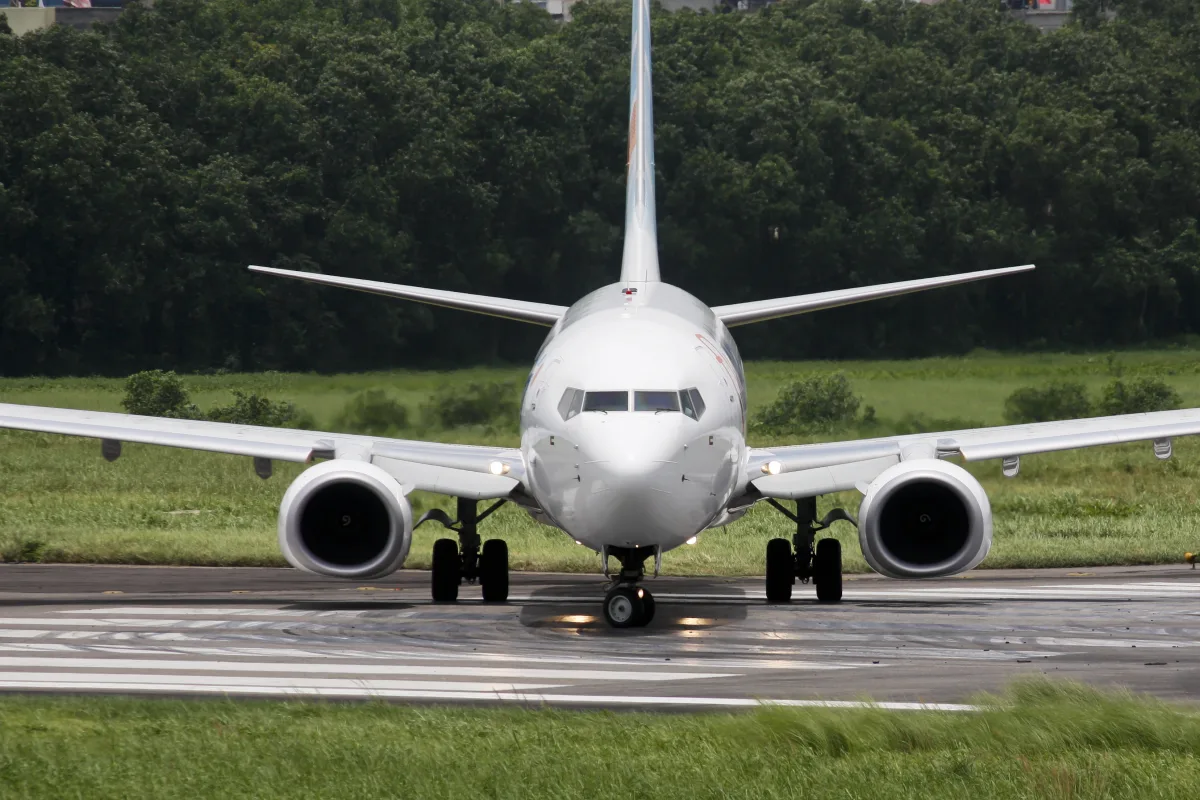
The Boeing left Dubai at 07:05 local time and climbed to 34,000 feet, Al Jazeera reported from flight-tracking data. At about 05:21 GMT it began a steep descent, losing 17,000 feet within two minutes; All India Radio, citing the Italian newspaper Corriere della Sera, put the loss at 16,000 feet. The crew set the transponder to 7700, the general emergency code, at 05:28 GMT near the Saudi–Jordanian border, and to 7500, the code for unlawful interference, at 05:35. The aircraft landed at Tabuk in Saudi Arabia at 06:58 GMT.
Inside the cockpit, the co-pilot attacked Captain Smit Machchhar with the aircraft's emergency crash axe and tried to take control, UAE Attorney-General Hamad Saif al-Shamsi said. Badly injured, the captain managed to open the cockpit door. "When I was down, I could feel the aircraft was plummeting, and I knew this is a last chance," he later told Prime Minister Narendra Modi, according to Al Jazeera.
Passengers forced their way in. An Israeli passenger, Yaniv Hayoun, pulled back on the controls: "I jumped back in there, grabbed the controls, started pulling," he said. Others, including Tzvika Manes and Asaf Rajuan, helped restrain the co-pilot, and two off-duty pilots on board took over and landed the aircraft. A dentist among the passengers treated the captain.
The flight carried 174 passengers, including 27 children, Euronews reported. Israeli Prime Minister Benjamin Netanyahu said "one of the pilots stabbed the other and apparently attempted to crash the plane", and later called the captain "a true hero". Flydubai said a confrontation had occurred in the cockpit and that the crew had taken control and landed safely in Tabuk.
The co-pilot, Hamam al-Hammami, is an Omani citizen who was born in the UAE, Al Jazeera reported. He worked for Oman Air for seven years until February 2025 and for Royal Air Maroc from June 2025 to January 2026 before joining flydubai. Omani authorities had earlier barred him from flying over concerns about extremist views, the channel reported, citing CNN. After the landing he was handed to the Saudi authorities.
According to Corriere della Sera, cited by All India Radio, Israeli intelligence believes his original plan was to kill the captain and fly the aircraft into a skyscraper in Tel Aviv. Israel has classified the incident as a terror attack and is examining security-clearance procedures. "This underscores the importance of the UAE's early and firm stance: no tolerance for extremism," said Anwar Gargash, adviser to the UAE President.
Flydubai suspended its Tel Aviv flights after the attack. The UAE's General Civil Aviation Authority said 37 flights carried 7,479 passengers from Dubai to Ben Gurion airport between October 2 and October 5, with Israeli carriers allowed to fly to Dubai alongside Etihad Airways' scheduled service.
The accusations against Iran come as the United States, Canada and eight Latin American and Caribbean countries, among them Argentina, Colombia, Paraguay and Peru, issued a joint declaration accusing Iran and its proxies of terrorist activity in the Western Hemisphere, All India Radio reported. Investigations in the UAE and Israel are continuing.