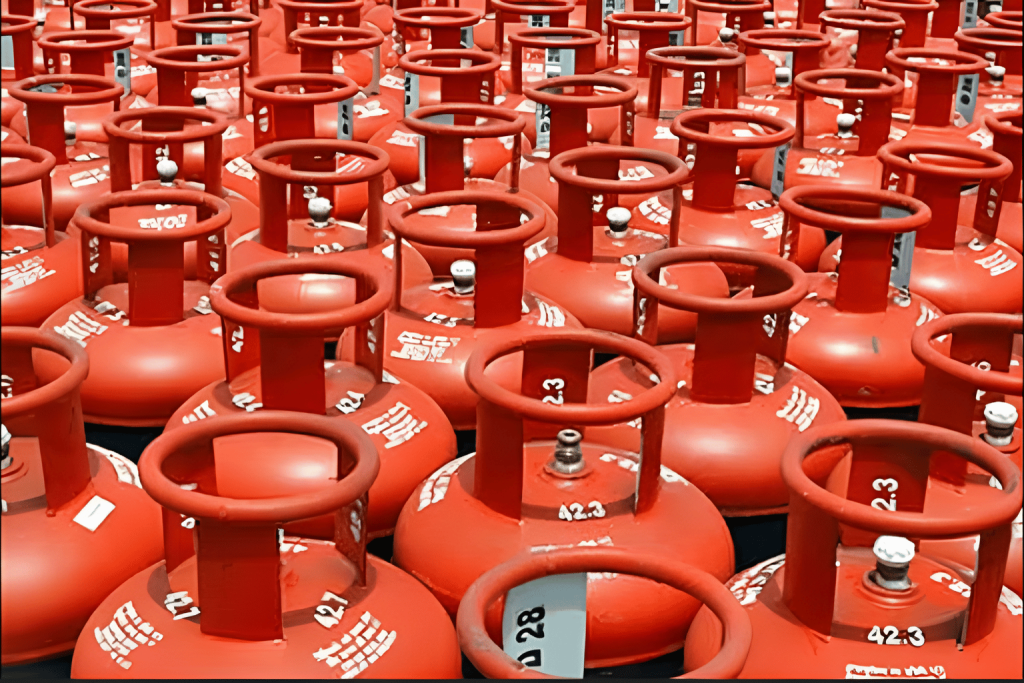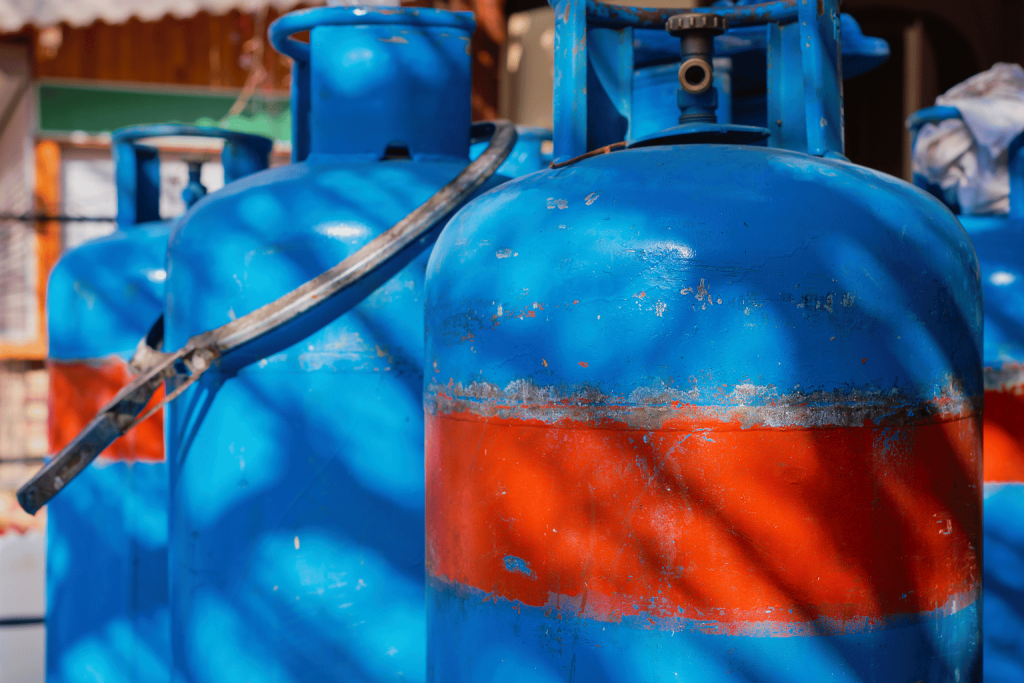
Welcome to EEST TV. We have a critical update for every household and business owner in Karnataka. The state is currently facing a severe energy challenge that has moved from the ports to our very own kitchens. As the LPG shortage continues to disrupt daily life, the state government has stepped in to take decisive action.
Karnataka Deputy Chief Minister D.K. Shiva kumar has officially announced that the escalating LPG shortage will be a primary agenda item in the next Cabinet meeting. With domestic supplies running thin and the commercial sector facing a total standstill, the government is looking at emergency measures to provide relief. Today, we bring you the full report on the DCM’s statement, the political friction in the assembly, and why your cooking gas refill is taking longer than usual.”
The LPG Shortage: DCM Shivakumar’s Strategy for Karnataka
The current LPG shortage is no longer just a supply chain issue; it has become a significant political and social emergency in Karnataka. Deputy Chief Minister D.K. Shiva kumar, speaking to journalists outside Vidhana Soudha, highlighted the distress being felt by the common man.
Cabinet Discussion: A Search for Solutions
DCM Shivakumar confirmed that the state cabinet will deeply analyze the LPG shortage to understand how the state can intervene.
- State-Level Intervention: The government is exploring ways to coordinate with Oil Marketing Companies (OMCs) to ensure that Karnataka receives its fair share of the national quota.
- Alternative Fuel Options: In a striking remark, Shivakumar noted that the LPG shortage might force rural populations to return to traditional fuels. He indicated that the government might temporarily ease restrictions on using firewood if the gas scarcity is not resolved immediately by the Central authorities.

Analyzing the Roots of the LPG Shortage
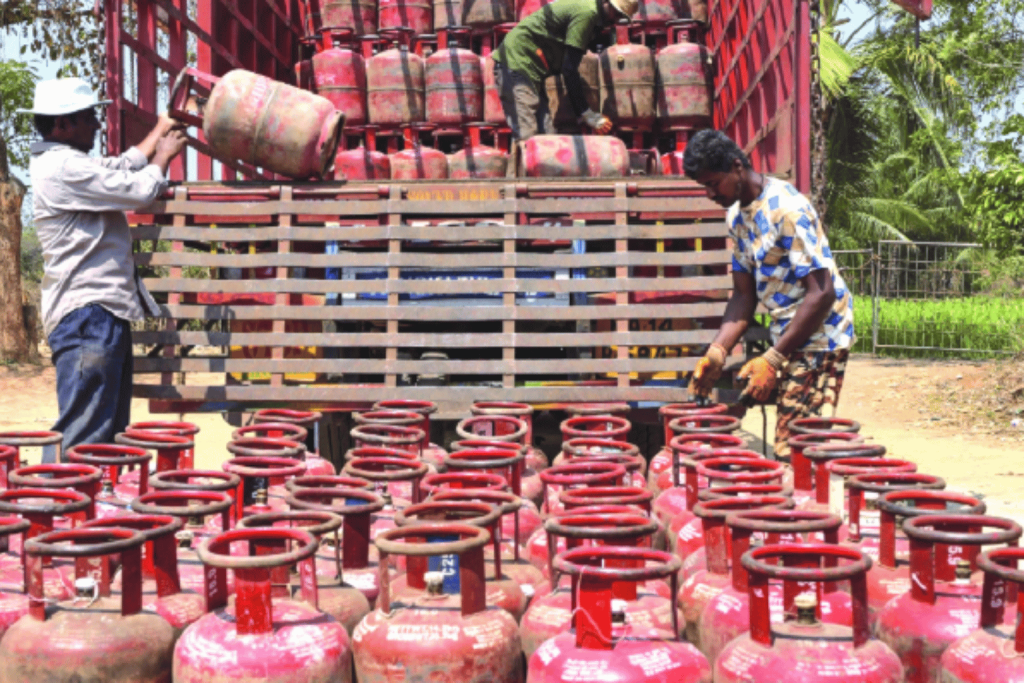
To understand why Karnataka is struggling, we must look at the broader energy landscape. The LPG shortage is a result of a “perfect storm” of global and domestic factors.
1. Global Supply Disruptions
India relies heavily on imports for its Liquefied Petroleum Gas. The ongoing tensions in West Asia—specifically the conflict involving major regional powers—have made maritime transport through the Strait of Hormuz increasingly difficult.
- Shipping Delays: Insurance costs for tankers have risen, and many vessels are taking longer routes to avoid conflict zones, leading to a delay in the arrival of gas at Indian ports like Mangaluru.
- Refinery Impacts: Strikes on major regional refineries abroad have reduced the total pool of available refined gas, tightening the global market.
2. Prioritizing the Domestic Kitchen
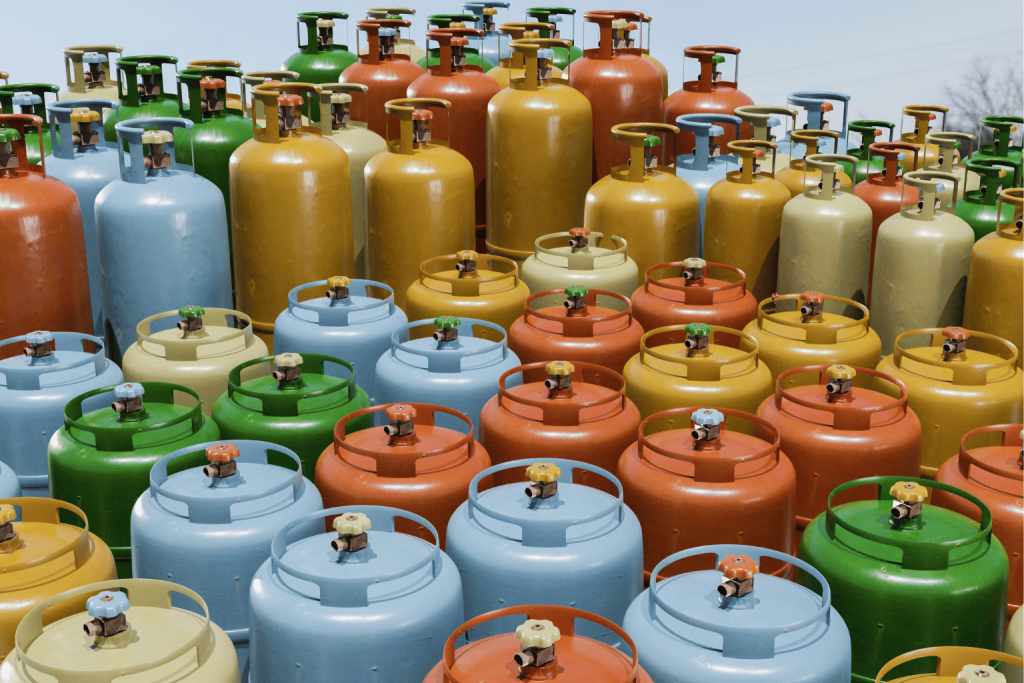
Under the Essential Commodities Act, the government has ordered that domestic 14.2 kg cylinders must be delivered first. While this is good news for families, it has diverted almost all available stock away from the commercial 19 kg cylinders. This lopsided distribution is the primary reason for the visible LPG shortage in the business sector.
Impact on the Ground: Hotels, Autos, and Households
The LPG shortage is ripple-effecting through different sectors of the Karnataka economy:
- The Hospitality Crisis: Hotels and restaurants in Bengaluru and Hubballi-Dharwad are facing a “black market” for commercial gas. Many small eateries have warned that they will have to increase food prices or close down if the LPG shortage persists for another week.
- Urban Transport: Thousands of auto-rickshaws in the state run on LPG. The shortage at gas stations has led to long queues, with drivers losing nearly half a day’s earnings just waiting for a refill.
- Domestic Anxiety: Even though households are prioritized, the delivery cycle has stretched. What used to take two days now takes over twenty, leading to panic among consumers.
E-E-A-T: Trustworthy Reporting on the Energy Crisis
At EEST TV, we provide news that stands on the pillars of Experience, Expertise, Authoritativeness, and Trustworthiness.
- Experience: Our team has interviewed local gas distributors across Karnataka who confirm that their “inward supply” has dropped by nearly 30% to 40% this month.
- Expertise: We break down complex energy policies, explaining how global “war updates” directly translate to the blue flame on your stove.
- Authoritativeness: We cite direct quotes from Deputy CM D.K. Shivakumar and the official statements from the Karnataka Ministry of Food and Civil Supplies.
- Trustworthiness: We avoid sensationalism. While there is a LPG shortage, we clarify that the government is actively working to prevent a total “dry out” of domestic supplies.
Summary: Karnataka Braces for a Tough Month
In summary, the LPG shortage has placed Karnataka in a challenging position, caught between global war dynamics and domestic demand. DCM D.K. Shivakumar’s commitment to discussing this in the Cabinet meeting shows that the state is ready to take a stand. Whether it is through pushing the Centre for more supply or allowing temporary use of alternative fuels, the goal is to ensure that no kitchen goes cold. As the world watches the geopolitical situation in West Asia, the people of Karnataka are looking closer to home for a solution to this energy crunch.