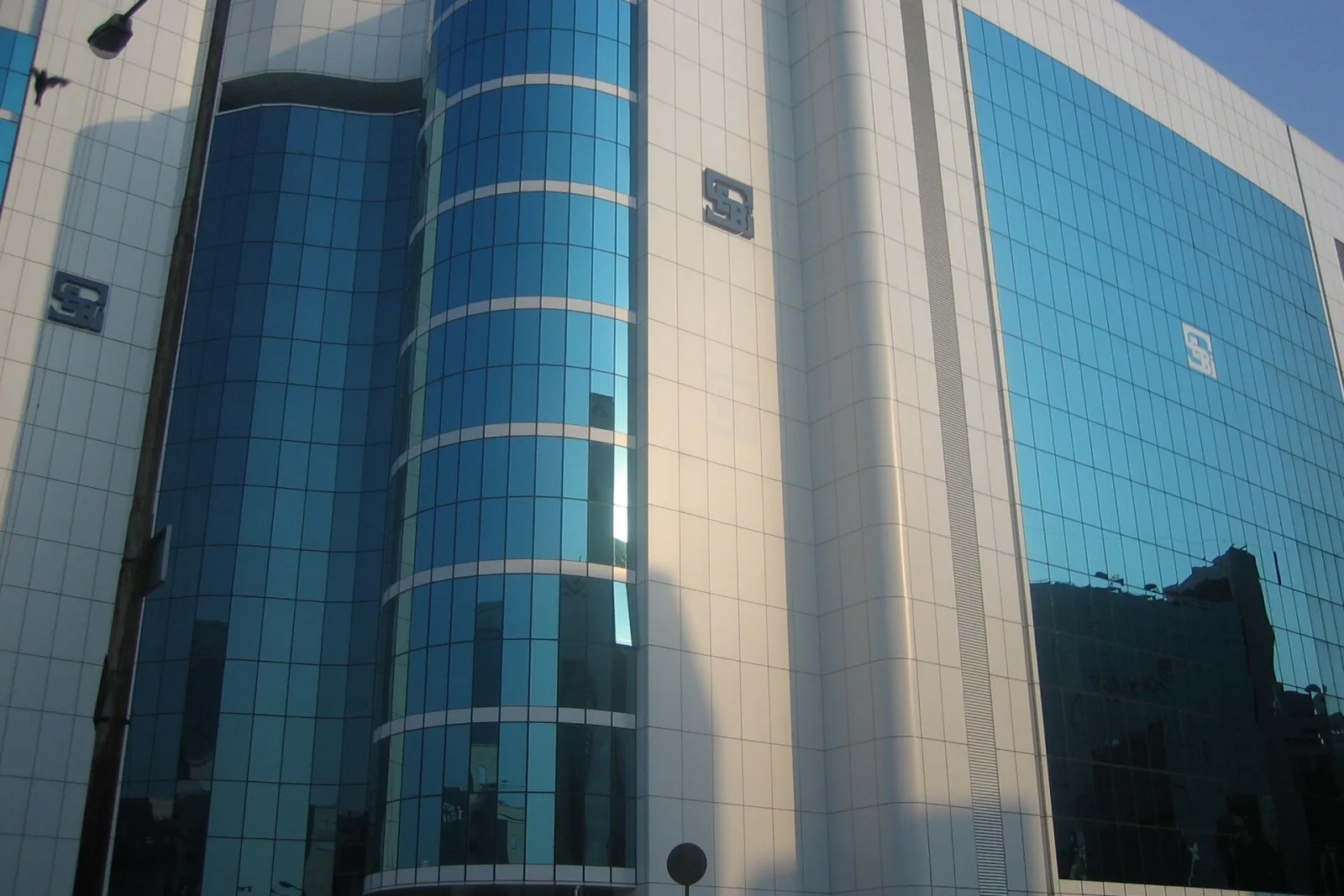
NEW DELHI: The Securities and Exchange Board of India is examining how derivatives contracts are settled on expiry days under the stock exchanges' new closing auction session, its chairman Tuhin Kanta Pandey said on October 3, the day public comments on the regulator's proposals closed.
Speaking at the 12th International Convention of the Commodity and Capital Market Participants Association of India in New Delhi, Pandey said India needs capital markets that can mobilise capital, manage risk and build investor confidence, All India Radio reported. The regulator, he said, is working to strengthen the market structure so that "households can invest with confidence, businesses can raise funds for growth, and market intermediaries maintain high standards of conduct."
The closing auction session, or CAS, was introduced in August 2026 to set the closing price of eligible stocks. Instead of relying only on a volume-weighted average price, the closing price is found through a call auction that arrives at a single price at which most buy and sell orders can be matched.
The change has drawn complaints about price volatility and order imbalances, particularly on derivative expiry days, when the closing price also decides how futures and options contracts are settled, Business Today reported. Pandey ruled out a rollback on September 10. "CAS is not going anywhere. CAS is here to stay," he said, adding that market participants had told SEBI liquidity was thin at first wherever such auctions were introduced and built up over time. He said index provider MSCI had acknowledged that a recent rebalancing went through successfully under the new system.
SEBI's consultation paper, issued on September 12, offered two methods for setting the settlement price on expiry days, Outlook Money reported. The first, a blended volume-weighted average price, would combine actual trades from the last 30 minutes of continuous trading with those in the 10-minute closing auction, weighted by turnover. "The proposed framework would incorporate actual transactions executed during both the last 30 minutes of CTS and 10 minutes of CAS for determination of the settlement price," the paper said.
The second would return for at least a year to the method used before the auction, based on continuous trading alone, before moving to the blended price. That would "provide continuity with the familiar settlement methodology", the regulator said.
The paper also proposed two timetables. Under the first, continuous trading would run until 3:30 pm, the auction from 3:31 pm to 3:40 pm, and derivatives trading until 3:45 pm. Under the second, continuous trading would end at 3:15 pm, the auction would run from 3:15 pm to 3:25 pm, and derivatives would close at 3:30 pm.
SEBI also proposed to stop publishing an indicative index value during the auction, while still showing each stock's indicative price, because the index figure "is being misinterpreted and/or positions are being taken by the stakeholders". Orders placed more than 1 per cent away from the reference price would become non-cancellable, and unexecuted portions of iceberg orders would be shown in full as standard limit orders during the auction. Comments were due by October 3.
Pandey said on Saturday that SEBI is also working to deepen liquidity in the cash market, widen participation and strengthen securities lending and borrowing. Efficient hedging and arbitrage, he said, can improve price discovery and the link between the cash and derivatives markets. The regulator is also examining position limits for non-agricultural commodity contracts, with the aim of improving liquidity and depth while keeping risk controls in place.
SEBI has not said when it will decide on the settlement method.