
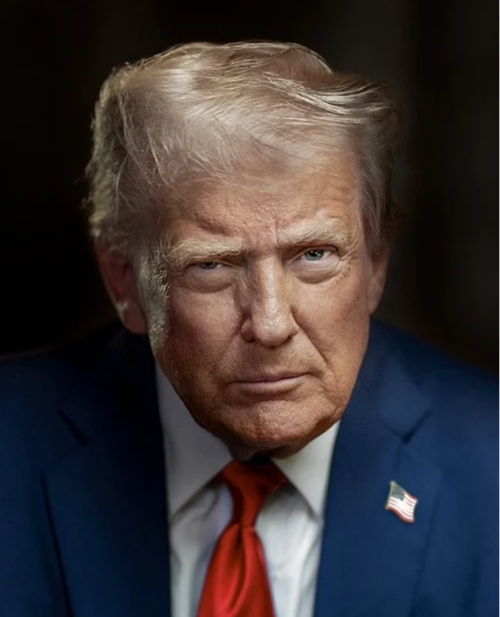

The latest turn in Middle East diplomacy, U.S. President Donald Trump expressed cautious optimism that a peace deal between Israel and Hamas over Gaza is “very close.” He also hinted that he might travel to the Middle East by the end of the week to support ongoing talks. The announcement has stirred interest around the world, especially in countries and communities affected by the conflict.
A Deal in Sight — What Trump Said
Speaking during a White House event, Trump described the negotiations as moving well and said there’s a “good chance” the deal will be finalized soon. He told reporters:
“We have a great team over there … it’s very close, and they’re doing very well.”
“I may go there sometime toward the end of the week, maybe Sunday … we’ll see.”
He clarified that his trip would likely include Egypt, and possibly Gaza, depending on whether talks reach a breakthrough.
Trump’s remarks come at a moment when negotiators are intensifying their efforts. U.S. special envoy Steve Witkoff and Jared Kushner (Trump’s son-in-law) are already in Sharm el-Sheikh, Egypt, engaging in indirect mediation between Israel and Hamas.
The Deal on the Table: What’s Under Discussion
The current peace plan, often described as a 20-point proposal, includes key provisions intended to end the war in Gaza, release hostages, and rebuild the region. Some of the major elements include:
- Ceasefire between Israel and Hamas
- Hostage release / prisoner exchange
- Israeli withdrawal from certain parts of Gaza
- Hamas disarmament or limitations on its military capacities
- Creation of a transitional governance structure for Gaza, with some international oversight
One of the sticking points remains who will govern Gaza post-deal, and how to manage security so violence does not resume. Israel is demanding guarantees that Hamas will not regroup militarily.
At the same time, the parties are working on the mechanics of the ceasefire, timing of withdrawal, and conditions under which hostages are freed.
Why Trump May Visit the Region
Trump’s proposed trip is not just symbolic—it could have real impact on the negotiations. His presence might:
- Reinforce momentum and signal U.S. commitment
- Allow him to meet face-to-face with leaders (Egypt, Israel, Arab states, Hamas intermediaries)
- Help resolve last-mile disagreements on withdrawal, security, and governance
Diplomats believe that having Trump on the ground could help seal the deal or push a hesitant party over the line. Some officials think the trip may take place on Saturday or Sunday.
Human Cost & Urgency Behind the Deal
While negotiations continue, life in Gaza remains fragile. Over 67,000 Palestinians are estimated to have died since the war began in 2023. Entire neighborhoods have been destroyed, and millions live amid severe humanitarian shortages.
In Israel, families of hostages wait every hour, hoping for a release. The emotional pressure is immense: parents demand clarity, and political voices insist on security before peace.
Many civilians on both sides express fatigue—of war, loss, uncertainty. In Gaza, people talk about rebuilding their lives; in Israel, about security and preventing further attacks.
This deal, if it succeeds, would not just be a diplomatic victory—it could bring real relief to people who have suffered for years.
Remaining Challenges & Risks
Despite optimism, several obstacles remain:
- Disarmament of Hamas is deeply contentious. It resists giving up military capabilities while Israeli presence remains.
- Future governance in Gaza is unresolved. Who rules, and how, will be critical.
- Guarantees of lasting peace: Israel demands strong assurances that hostilities will not resume.
- Trust deficit is large: decades of conflict have bred deep suspicion on both sides.
Each delay or disagreement could derail progress just when it seems closest.
What This Means for Ordinary People
For many, Trump’s words offer hope—a chance for calm, a chance to rebuild. Families with loved ones in Gaza or Israel watch closely. Aid organizations, NGOs, and regional governments see possibility to restore basic services—water, food, hospitals.
But people are cautious. Many have heard promises before. Some fear that once the cameras leave, the fighting could begin anew.
Still, a successful deal could mean:
- Hostages returning home
- Ceasefire and reduced violence
- An opening for humanitarian aid and rebuilding
- A new chapter in Israeli-Palestinian relations
For millions caught in the middle, even a small measure of peace would mean a great deal.
Looking Ahead
As Trump weighs a Middle East trip, attention now turns to how far negotiators can go. Will they bridge differences in time? Can this deal survive the political pressures in Israel, Hamas, and among Arab allies?
At eest tv, we’ll bring you:
- On-the-ground reports if Trump travels
- Reactions from Israel, Gaza, Arab nations
- Expert analysis on deal’s strengths & weaknesses
- Stories of people affected by the conflict
Stay with us. In times like these, journalism is more than facts—it’s keeping hope alive, showing voices from all sides, and helping people make sense of complex events.