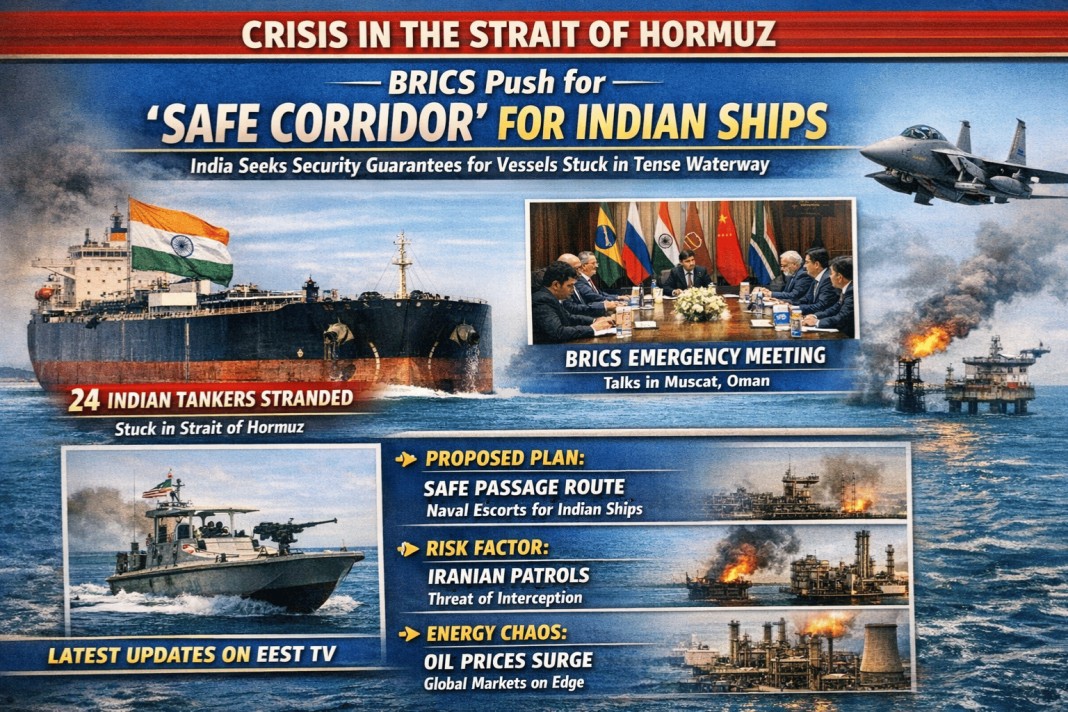
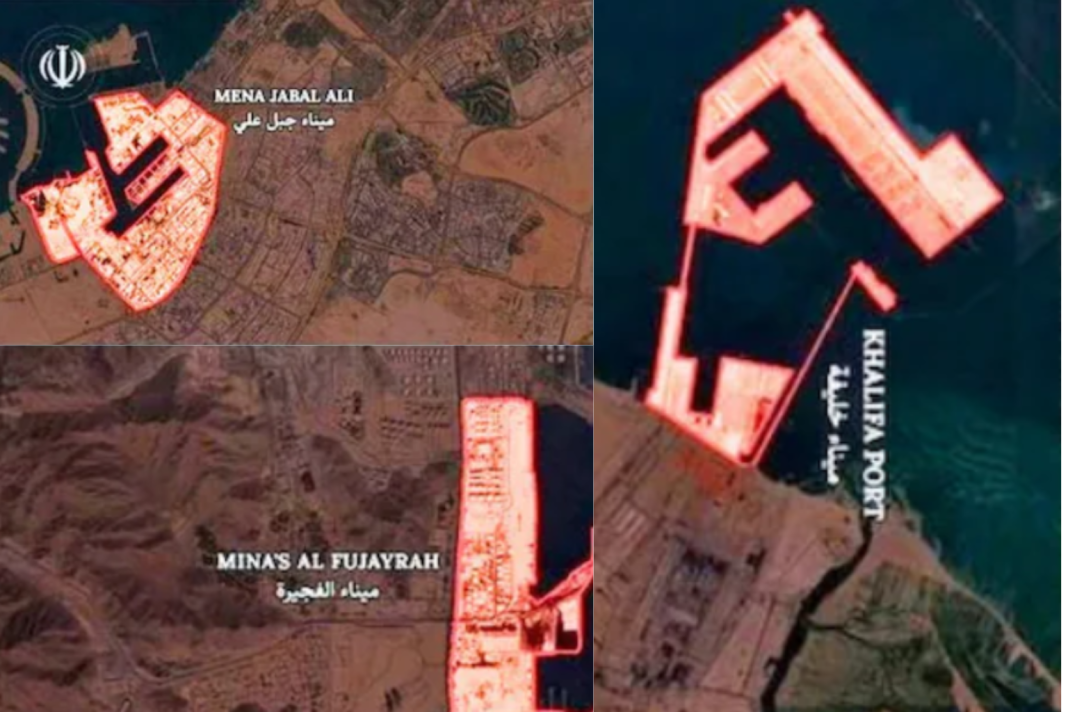

We are reporting on an extremely grave and fast-developing situation in the Middle East that has sent shockwaves through the global community. In a direct and chilling message, Iranian military officials have officially classified several key industrial zones in the Gulf as Legitimate Targets. Specifically, Iran has issued an urgent warning asking civilians and workers to immediately leave port areas and energy hubs across the United Arab Emirates.
This announcement follows a series of high-intensity drone strikes on the Ruwais refinery and reported explosions near Dubai and Doha. As the shadow of war grows darker, the safety of thousands of Indian expatriates working in these ports is now at the center of international concern. Today, we bring you a comprehensive analysis of what qualifies as ‘Legitimate Targets’, the reasoning behind Tehran’s warning, and the global scramble for security.”
Defining ‘Legitimate Targets’: The Iranian Doctrine
The term ‘Legitimate Targets’ is a strategic classification used in military law to identify objects that can be attacked during a conflict. However, in the current context, Iran’s definition has expanded significantly.
The Criteria for Classification
According to statements from the Iranian Revolutionary Guard, any infrastructure that facilitates the military operations of their adversaries is now on their list.
- Logistical Support: Ports like Jebel Ali and Fujairah, which handle massive amounts of international cargo, are being viewed through a military lens because they host foreign naval assets or provide refueling services.
- Energy Infrastructure: Refineries and oil terminals are being labeled as ‘Legitimate Targets’ because they fuel the economies of nations that Iran views as hostile.
- Dual-Use Facilities: Any civilian airport or harbor that shares space with military jets or warships is being highlighted as a danger zone.
The Warning to Civilians
The most alarming part of this development is the direct call for people to evacuate. By asking workers and residents to leave these port areas, Iran is signaling that future strikes may be more frequent and potentially more destructive. This is seen as a psychological tactic to disrupt the labor force and cause economic paralysis in the UAE.

The Strategic Importance of UAE Port Areas
To understand why Iran is focusing on these locations, we must look at the map of the Gulf. The UAE is home to some of the most advanced and busiest maritime gateways in the world.
Jebel Ali Port: The World’s Hub
Located in Dubai, Jebel Ali is a massive engine of trade. It is the primary entry point for goods reaching the entire Middle East and Africa. If Jebel Ali is targeted, the global supply chain—from electronics to food—would face a historic collapse.
Fujairah: The Strategic Bunkering Center
Fujairah sits outside the Strait of Hormuz on the Gulf of Oman. It is where ships wait to refuel. By declaring Fujairah’s port areas as ‘Legitimate Targets’, Iran is threatening the “gas station” of the global shipping industry.
The Human Element: Indian Workers in the Crossfire
A significant portion of the workforce in these ports consists of Indian nationals. From crane operators to engineers and administrative staff, our fellow citizens are the backbone of these operations. The warning to leave these areas has caused widespread panic among the Indian diaspora, with many looking for urgent guidance from the Indian Embassy.
Regional Fallout: Explosions and Defensive Measures
The classification of these zones as ‘Legitimate Targets’ is not an empty threat. Recent events have shown a pattern of escalating violence.
- Drone Activity: Multiple drones have been intercepted over Abu Dhabi and Dubai. While the UAE’s “Iron Shield” is active, the sheer number of incoming threats is designed to overwhelm air defenses.
- The Ruwais Precedent: The successful strike on the Ruwais refinery earlier this week served as a demonstration of capability. It proved that Iran could hit the “heart” of the energy sector if it chose to do so.
- Counter-Warnings: In response, the US and its allies have reinforced their naval presence, stating that any attack on civilian infrastructure will be met with “unmatched retaliation.”
E-E-A-T: Trustworthy Reporting in a Time of Crisis
At EEST TV, we provide this War Update with a focus on Experience, Expertise, Authoritativeness, and Trustworthiness.
- Experience: Our analysis is built on years of tracking Middle Eastern geopolitics and the “Tanker Wars” of the past, providing context to current headlines.
- Expertise: We consult with military strategists who specialize in asymmetric warfare and the capabilities of autonomous drone swarms.
- Authoritativeness: We rely on official communiqués from the UAE Ministry of Defence and Iranian state-affiliated news agencies to report the exact language used in these warnings.
- Trustworthiness: Our priority is the safety of the Indian community. We focus on factual developments rather than rumors to ensure that families in India have a clear understanding of the risks faced by their loved ones abroad.

The Economic Weapon: Targeting the Wallet
By labeling energy and trade hubs as ‘Legitimate Targets’, Iran is engaging in “Economic Warfare.” They do not necessarily need to destroy a port to win; they only need to make it too dangerous for insurance companies and shipping lines to operate there.
- Insurance Premiums: Maritime insurance for the Gulf has already reached record highs. If a port is officially a “target,” most commercial ships will simply refuse to dock there.
- Labor Shortage: If workers follow the warning and leave, the ports will stop functioning even without a single missile being fired.
Summary: A Region at a Breaking Point
In summary, the declaration by Iran that UAE port areas are now ‘Legitimate Targets’ marks a dangerous escalation in the current conflict. The urgent call for people to evacuate these zones has created a climate of fear and uncertainty. For the UAE, the challenge is to protect its economic lifeblood, while for the international community, the focus is on preventing a total maritime blockade. As thousands of Indian workers weigh the risk of staying versus leaving, the world remains on high alert. The next few days will be critical in determining whether this is a tactical bluff or the precursor to a larger military campaign.
Frequently Asked Questions (FAQs)
1. What does Iran mean by ‘Legitimate Targets’?
Iran is using this term to warn that they consider certain industrial and maritime sites as part of the military infrastructure of their enemies. They are telling civilians that these areas are no longer safe and could be hit in future strikes.
2. Should Indian workers in the UAE leave their jobs immediately?
Workers are advised to stay in close contact with their employers and the Indian Embassy. While the warning is serious, the UAE government has increased security and air defense measures to protect these vital zones.
3. Is Jebel Ali Port still operating?
As of now, ports in the UAE remain operational. However, the security alert level is very high, and there may be delays in cargo handling due to increased inspections and safety protocols.
4. How is the UAE responding to being called a target?
The UAE has reiterated its commitment to regional stability and has called on the international community to condemn these threats. They are working with global allies to ensure that sea lanes remain open and safe for trade.
5. Will this affect the price of goods in India?
Yes. Since the UAE is a major transit hub, any disruption or threat to its ports can lead to higher shipping costs and delays, which eventually increases the price of imported goods and energy in India.