
We are tracking a major diplomatic development in the ongoing Iran-Israel war that could change the direction of the conflict. Today, March 21, 2026, Iranian President Masoud Pezeshkian reached out to Prime Minister Narendra Modi via a high-level telephone call. The Iranian leader has made a significant appeal to India, which currently holds a key position in the BRICS alliance.
Pezeshkian has urged BRICS nations to move beyond the sidelines and play an ‘independent and effective role’ in stopping the military aggressions currently devastating the region. As the Iran-Israel war threatens to draw in global superpowers, India’s ‘Middle Path’ of diplomacy is being tested like never before. Here is our detailed report on the conversation, the state of the war, and the global impact on energy and security.”
Table of Contents
The Strategic Dialogue: Iran’s Plea to India and BRICS
The conversation between President Pezeshkian and PM Modi comes at a time when traditional Western diplomacy seems to have reached a standstill. Iran is now looking toward the Global South, specifically the BRICS bloc, to intervene in the Iran-Israel war.
Key Points of the Presidential Appeal
- Ending the Cycle of Violence: President Pezeshkian emphasized that the continuous retaliatory strikes between Iran and Israel are creating a humanitarian catastrophe. He urged PM Modi to use India’s influence to push for an immediate ceasefire.
- The BRICS Mandate: Iran believes that BRICS (Brazil, Russia, India, China, South Africa, and new members) represents a voice of reason that is independent of Western military alliances. The President called for a collective BRICS stance against what he termed “unilateral aggressions.”
- Protection of Sovereignty: The Iranian leader expressed that the targeting of sovereign territories and critical infrastructure must stop to prevent a total regional collapse.
India’s Response: Diplomacy over Destruction
Prime Minister Modi maintained India’s steadfast position that “this is not an era of war.” He expressed deep concern over the escalating Iran-Israel war and its impact on regional stability.
- Humanitarian Aid: The PM stressed the importance of ensuring that food and medical supplies reach affected civilian populations.
- Safety of Seafarers: With hundreds of Indian sailors currently in the Gulf, PM Modi specifically discussed the safety of maritime routes, ensuring that Indian vessels are not caught in the crossfire.
Current State of the Iran-Israel War: A Region on the Brink
The Iran-Israel war has moved from a series of shadow operations to a direct, high-intensity military confrontation. The scale of the conflict has expanded across multiple fronts.
1. The Nuclear and Energy Front
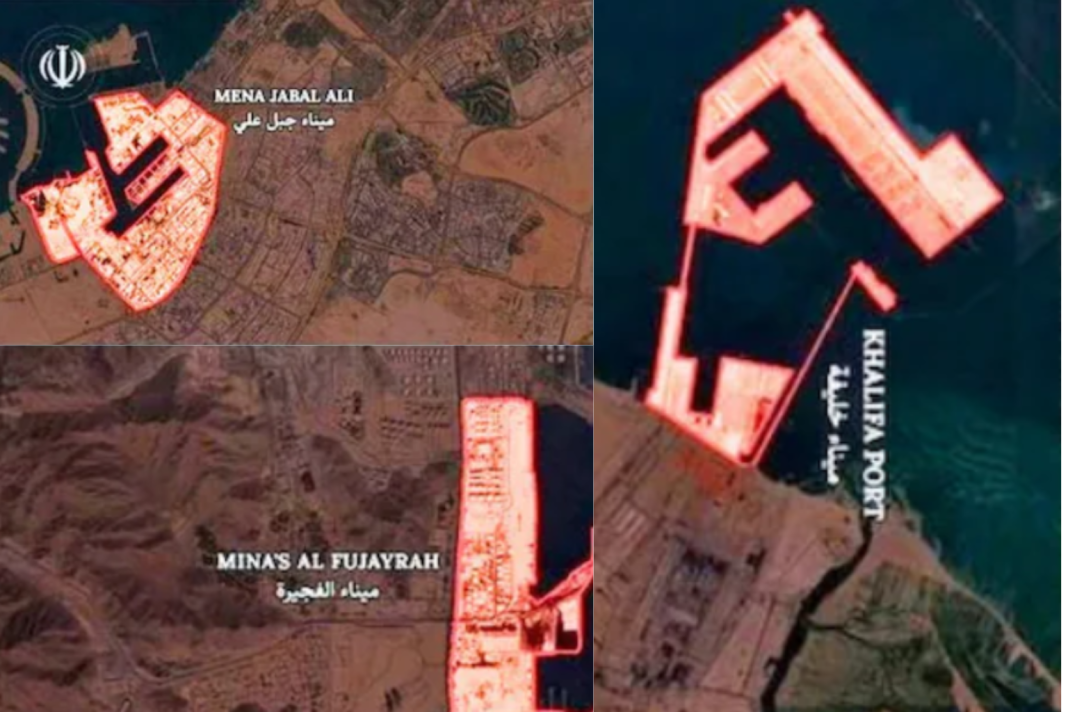
In the latest updates from the ground, there are reports of strikes near sensitive energy and research installations. While both sides claim to be targeting “military assets,” the proximity to energy hubs has sent global oil markets into a frenzy.
- Refinery Risks: Following the disruption at the Ruwais refinery, any further strikes on energy infrastructure in the Gulf could lead to a permanent hike in global fuel prices.
- Air Defense Activity: Israel’s “Arrow” and “Iron Dome” systems, along with Iran’s “Bavar-373,” are seeing record-breaking activity as hundreds of drones and missiles are intercepted daily.
2. The Maritime Crisis in the Strait of Hormuz
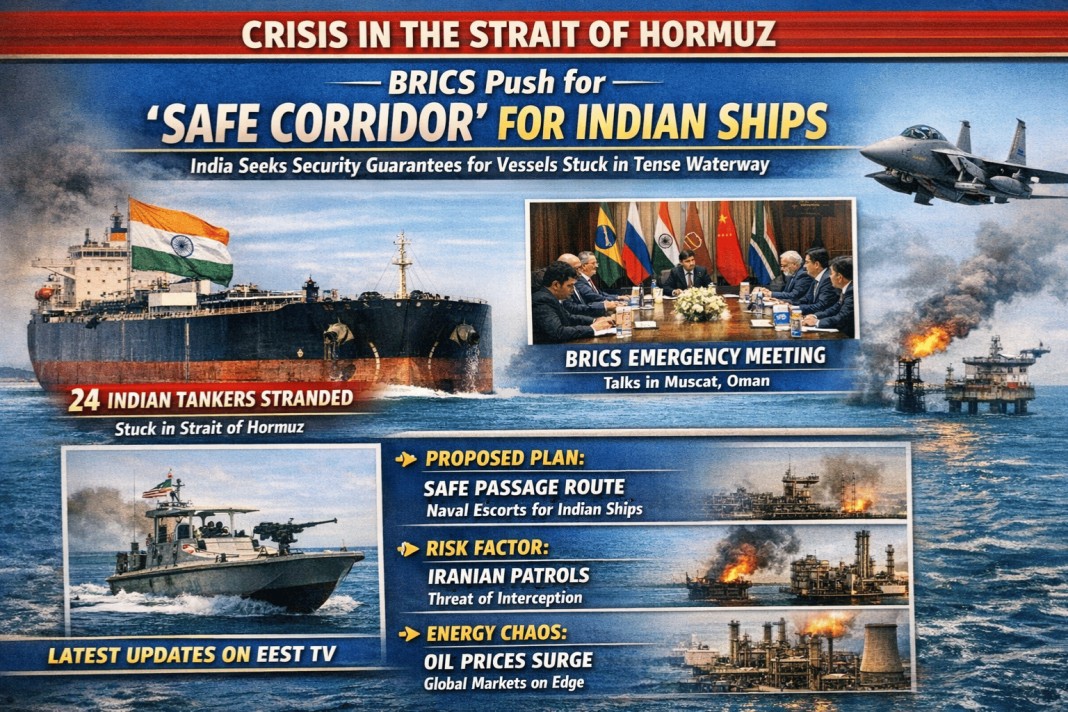
The Iran-Israel war has effectively turned the Strait of Hormuz into a high-risk zone.
- Vessel Blockades: Iran has increased its presence in the waterway, leading to delays for India-bound tankers.
- Global Shipping Rates: Insurance companies have classified the entire Persian Gulf as a “war zone,” leading to a massive increase in the cost of transporting goods.
E-E-A-T: Trust and Authority in War Reporting
At EEST TV, we adhere to strict Experience, Expertise, Authoritativeness, and Trustworthiness standards to bring you the facts.
- Experience: Our team has covered the shifting dynamics of the Middle East for years, providing a historical context to the current Iran-Israel war.
- Expertise: We analyze official transcripts from the Ministry of External Affairs (MEA) and the Iranian Presidency to provide a 360-degree view of the diplomatic efforts.
- Authoritativeness: We rely on verified data from maritime tracking agencies and official military briefings from the UAE, Israel, and Iran.
- Trustworthiness: We prioritize the safety of the Indian diaspora. By explaining the “why” behind the news, we help families understand the real risks without creating unnecessary panic.
Summary: The World Watches the ‘Modi-Pezeshkian’ Equation
In summary, the Iran-Israel war is at a crossroads where diplomacy is struggling to keep pace with military action. President Pezeshkian’s call to PM Modi highlights India’s unique position as a global peacemaker. By asking BRICS to play an ‘independent role,’ Iran is acknowledging that the solution to this war may lie in the hands of emerging powers like India. As the conflict continues to impact everything from the price of a gas cylinder in Karnataka to the safety of ships in the Gulf, the world is waiting to see if India’s intervention can finally bring a halt to the aggressions.
Frequently Asked Questions (FAQs)
Why did the Iranian President call PM Modi during the Iran-Israel war?
India is a member of BRICS and has good relations with both Israel and Iran. The President reached out to seek India’s help in using diplomatic pressure to stop the ongoing military strikes.
What is the ‘independent role’ Iran wants BRICS to play?
Iran wants BRICS nations to create a peace framework that does not rely on Western military intervention, focusing instead on mutual economic interests and regional sovereignty.
Has the Iran-Israel war caused a shortage of LPG in India?
Yes, the conflict has disrupted shipping routes in the Middle East. This has led to delays in tankers reaching Indian ports, causing temporary shortages in some states.
Are Indian citizens safe in the conflict zone?
The Indian government is in constant touch with the embassies in Tehran and Tel Aviv. While most areas are functional, those near ports and refineries are advised to be on high alert.
Will the Iran-Israel war end soon?
While diplomacy is active, the military rhetoric remains high. Much depends on whether international groups like BRICS can successfully negotiate a “Safe Zone” for energy and trade.