
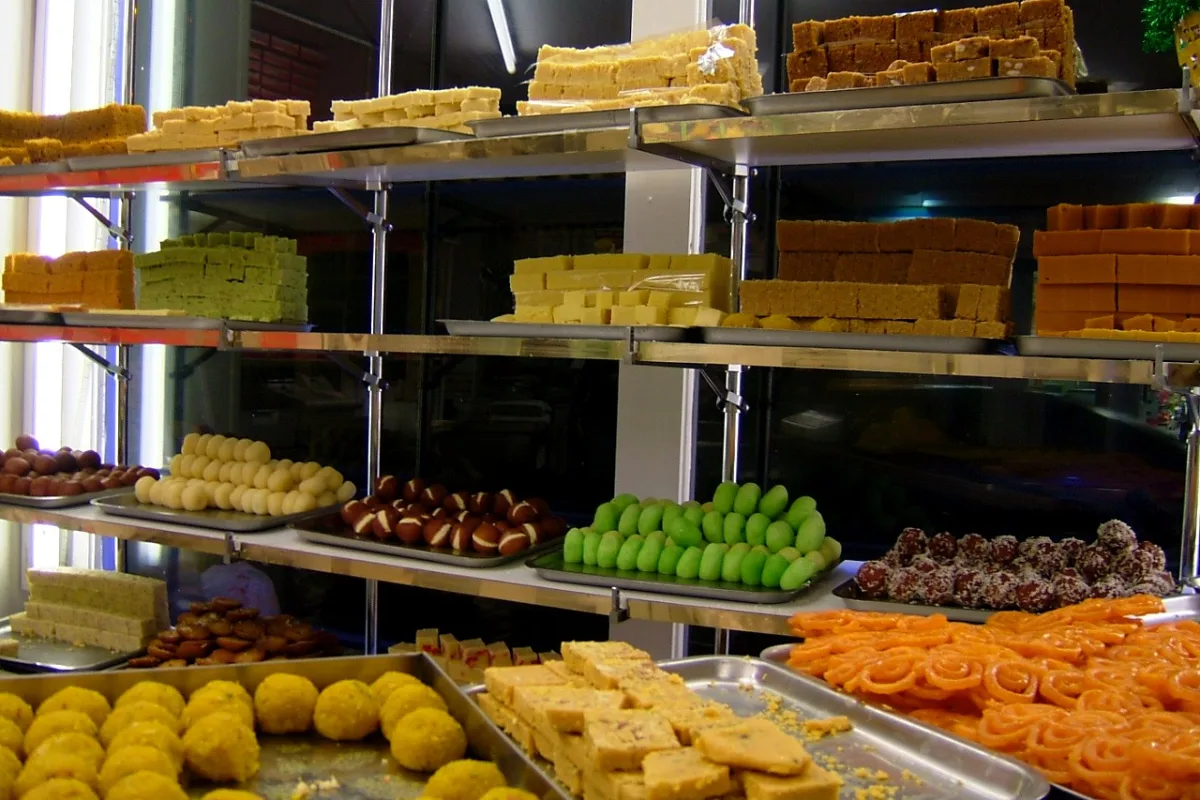
NEW DELHI: The Food Safety and Standards Authority of India has asked food safety authorities in all states and Union Territories to step up surveillance, inspections and sampling through the Navratri and Diwali season, to stop the sale of adulterated, counterfeit and unsafe food, Bilkul Online reported on October 6.
In a post on X, the regulator said that higher demand for sweets, snacks, beverages, edible oil, and milk and milk products during the festive period called for closer monitoring and enforcement.
The letter
The instructions are set out in a letter dated September 29, 2026, from FSSAI's Regulatory Compliance Division to the food safety commissioners of all states and Union Territories and to FSSAI's regional directors, published on the regulator's website. Its subject is a "special festive drive to ensure food safety, quality and prevention of adulteration". It notes that with Navratri and Diwali approaching, demand for sweets, savouries, beverages, edible oil and milk products such as ghee, khoa and paneer "witnesses a significant surge across the country". The letter, signed by Executive Director Amit Sharma, ends: "This matter may be treated as MOST IMPORTANT."
What inspectors will look at
FSSAI directed state food safety commissioners to make sure that designated officers, food safety officers and central food safety officers carry out inspections and collect samples, particularly at identified hotspots and sensitive locations.
The products singled out for special attention are milk and milk products, sweets, snacks and savouries, edible oils, beverages and ghee. States may add other items in high demand locally. "These commodities may vary and can be decided dependent upon the eating patterns & prevalence in the respective regions (e.g., use of kuttu atta/singhada atta in northern and western parts)," FSSAI said, referring to the buckwheat and water-chestnut flours eaten during Navratri fasts.
Testing in the market
The regulator told authorities to deploy its Food Safety on Wheels units, mobile laboratories, wherever available, at major marketplaces and at other locations chosen on the basis of intelligence. The vans will carry out on-the-spot tests, strengthen vigilance, raise consumer awareness and, FSSAI said, help build public confidence in the safety and quality of food sold during the festive season.
Officials must also record inspections, samples and enforcement actions on FSSAI's digital platforms, FoSCOS and FoSCORIS, in real time, so that the regulator can follow what each state is doing.
The festive calendar
The drive covers the busiest weeks of the year for sweet shops, dairies and snack makers. Sharad Navratri begins on October 11, Dussehra falls on October 20 and Diwali on November 8.
A yearly drive
FSSAI issues similar instructions before the festive season. In September 2024, it told states and Union Territories to strictly monitor the making and sale of adulterated sweets, savouries and dairy products and to run frequent enforcement drives, All India Radio reported at the time. That letter said that "the demand for sweets, savouries, milk, and milk products like ghee, khoya, and paneer increases during the festive season", which raises the economic motive to adulterate them, and that "preventive measures, including special surveillance and enforcement drives at hotspots, can effectively curb these practices while ensuring product safety." It too asked for Food Safety on Wheels units to be stationed in prominent markets.
This year's letter widens the list to edible oil and beverages, adds the flours used for fasting, and requires the results to be recorded online as they happen.
The regulator has not said when it will publish a summary of the samples taken and found unsafe during the drive.

0 comments
No comments yet. Comments are read by our team before they appear.