
NEW DELHI: The GST Council is due to hold its 57th meeting on Thursday, October 8. Its final agenda has not been made public, but reports ahead of the meeting point to a package of changes on enforcement, tax credits and compliance. Here is what is known so far.
When and where is the meeting?
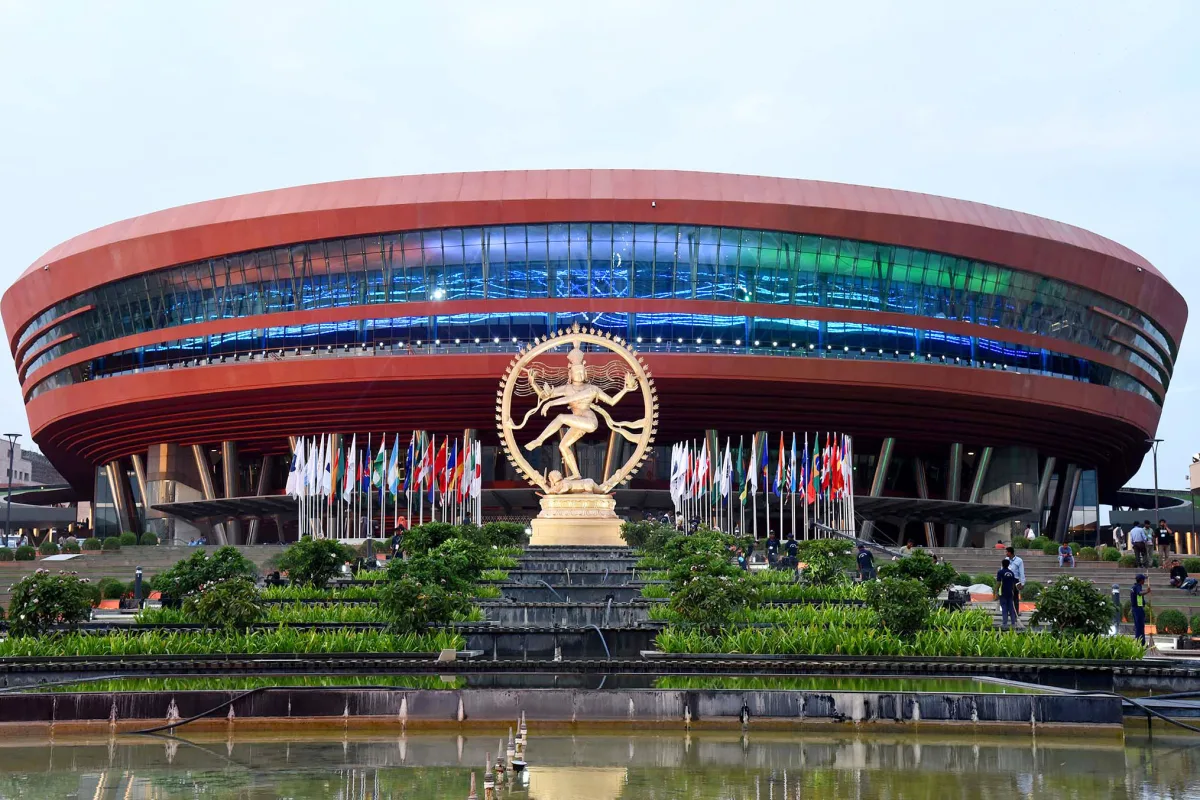
The meeting will begin at 11 am in the Summit Room of Bharat Mandapam in New Delhi and will be chaired by Finance Minister Nirmala Sitharaman, Whalesbook reported. The GST Council Secretariat issued a memorandum on October 5 moving it from October 7 to October 8, citing "unavoidable circumstances".
It is the second time the meeting has been moved. It was first planned for September 12. It will be the Council's first meeting in more than a year, and the first since GST 2.0, the overhaul of the tax rolled out in September 2025, according to Whalesbook. An officers' meeting was scheduled for October 5 and 6 to prepare, the tax portal TaxGuru reported.
What could change on arrests and prosecution?
Under Section 69 of the Central GST Act, a commissioner can authorise the arrest of a person for offences listed in Section 132. The proposal reported by TaxGuru is to bring greater judicial oversight over arrests and to keep criminal proceedings mainly for serious cases, so that ordinary disputes over interpretation or classification are settled through civil processes instead.
Whalesbook reported that the Council may also raise the amount of tax evasion at which criminal prosecution can begin, possibly from ₹1 crore to ₹5 crore. That figure has not been confirmed by the Council.
What about input tax credit?
Input tax credit (ITC) lets a business deduct the GST it paid on its purchases from the GST it collects on its sales. Under Section 16(2)(c) of the Act, a buyer can be denied this credit if its supplier fails to deposit the tax with the government, even when the buyer holds a valid invoice and has paid the supplier in full.
According to TaxGuru, the proposal is to protect such genuine buyers and to recover the tax from the supplier who defaulted instead.
Two other credit changes are reported to be under consideration. One would widen credit for group life and health insurance that employers buy for their staff, which Section 17(5) now largely blocks. The other is a wider review of the "blocked credits" list in Section 17(5), including outdoor catering and other business expenses, which TaxGuru described as a constant source of disputes in which GST ends up as a cost for businesses.
Will registration and filing get easier?
TaxGuru reported proposals to cut the documents needed for registration, to process applications based on risk, and to link the GSTR-1, GSTR-2B and GSTR-3B returns more automatically. It said small businesses would benefit from lower compliance costs. Whalesbook also reported that faster processing of tax refunds is on the table.
Will the Council itself change?
Whalesbook reported that the Fitment Committee, the panel of officers that has served as the main technical body for deciding tax rates and classification, is likely to be dissolved to speed up tax policy decisions. The proposed structure would consist of the GST Secretariat, an implementation committee and a single standing committee of officers.
When would any of this take effect?
Not immediately. All of these are proposals. As TaxGuru noted, nothing changes in law until the Council approves a change and it is then carried out through amendments to the Act, changes to the rules, or notifications and circulars.
0 comments
No comments yet. Comments are read by our team before they appear.